
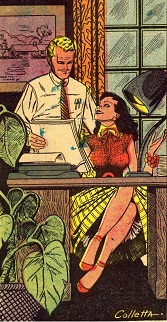
THE SINISTER HOUSE OF SECRET LOVE
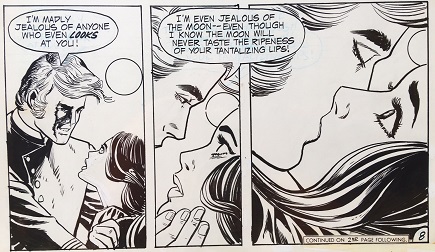

COMIC BOOK ART – SOME INKING TECHNIQUES

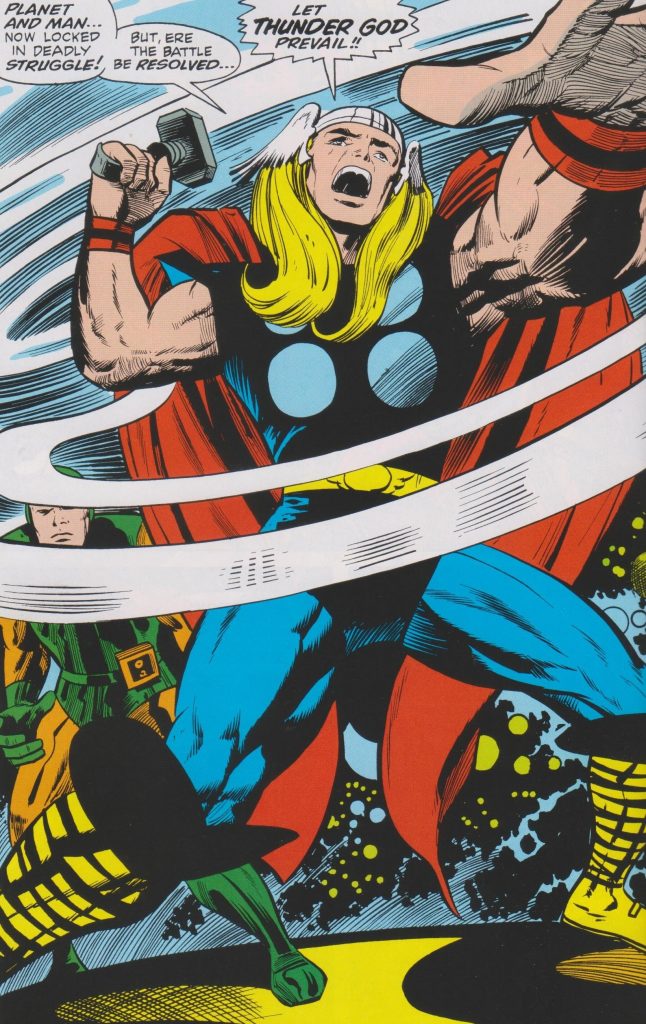
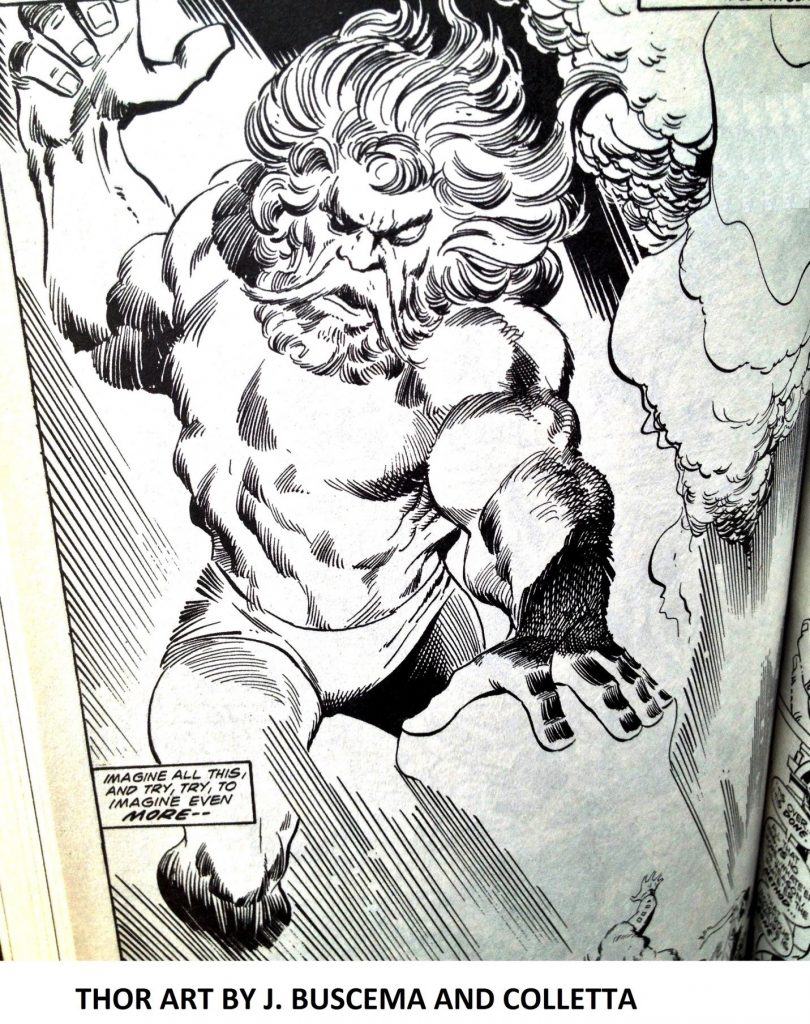
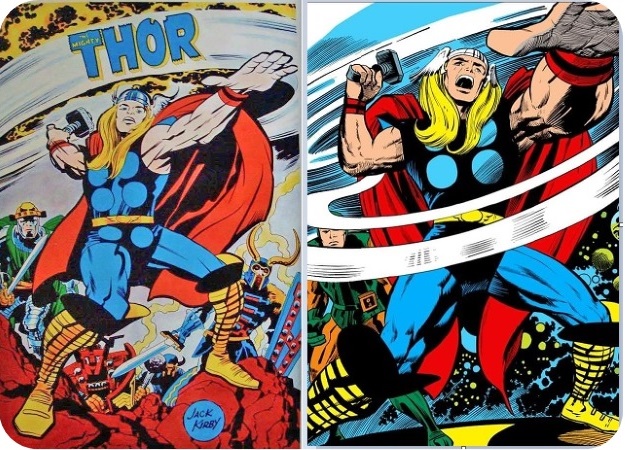
JACK KIRBY, VINCE COLLETTA AND THOR – ASGARD REALIZED
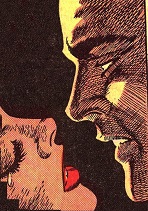
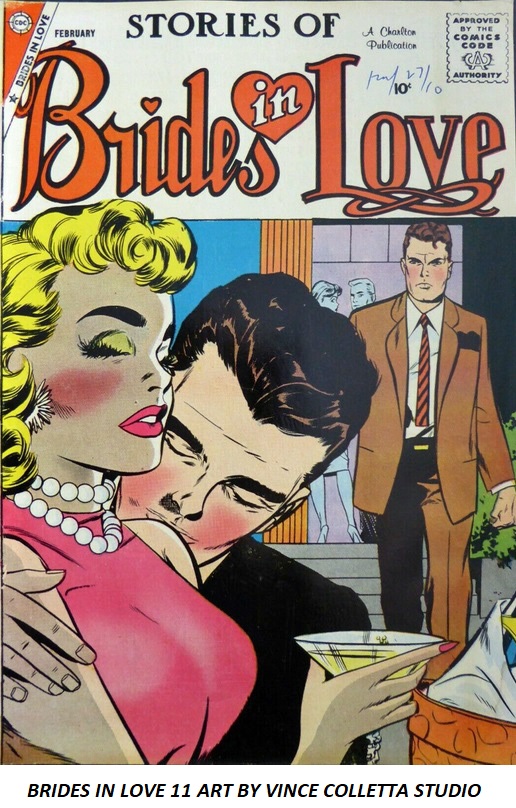
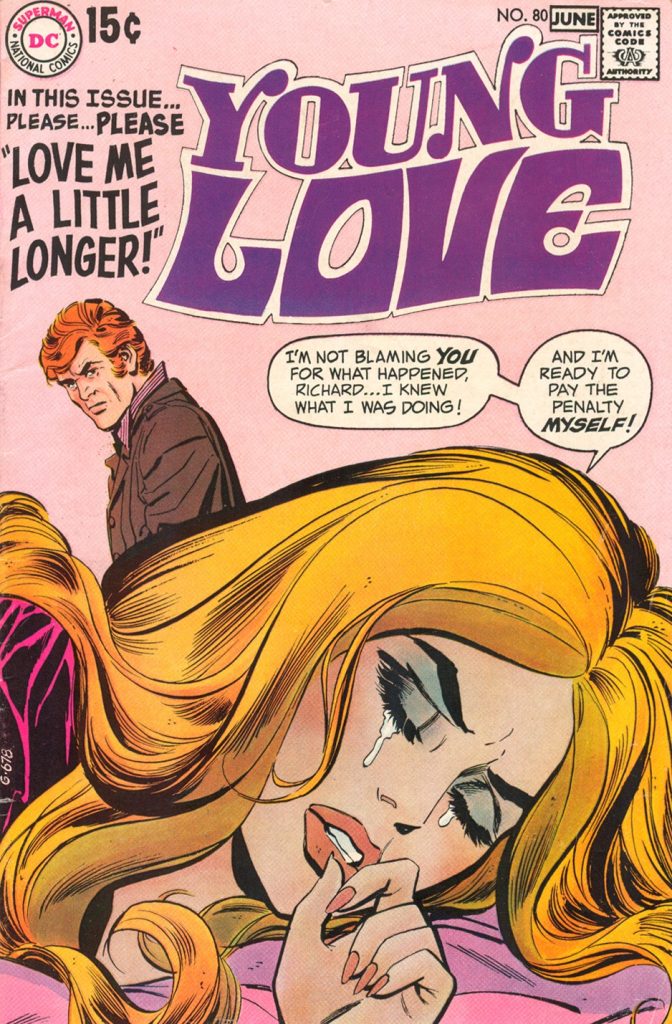
 A TIMELY AWAKENING FOR ROMANCE ART IN COMIC BOOKS
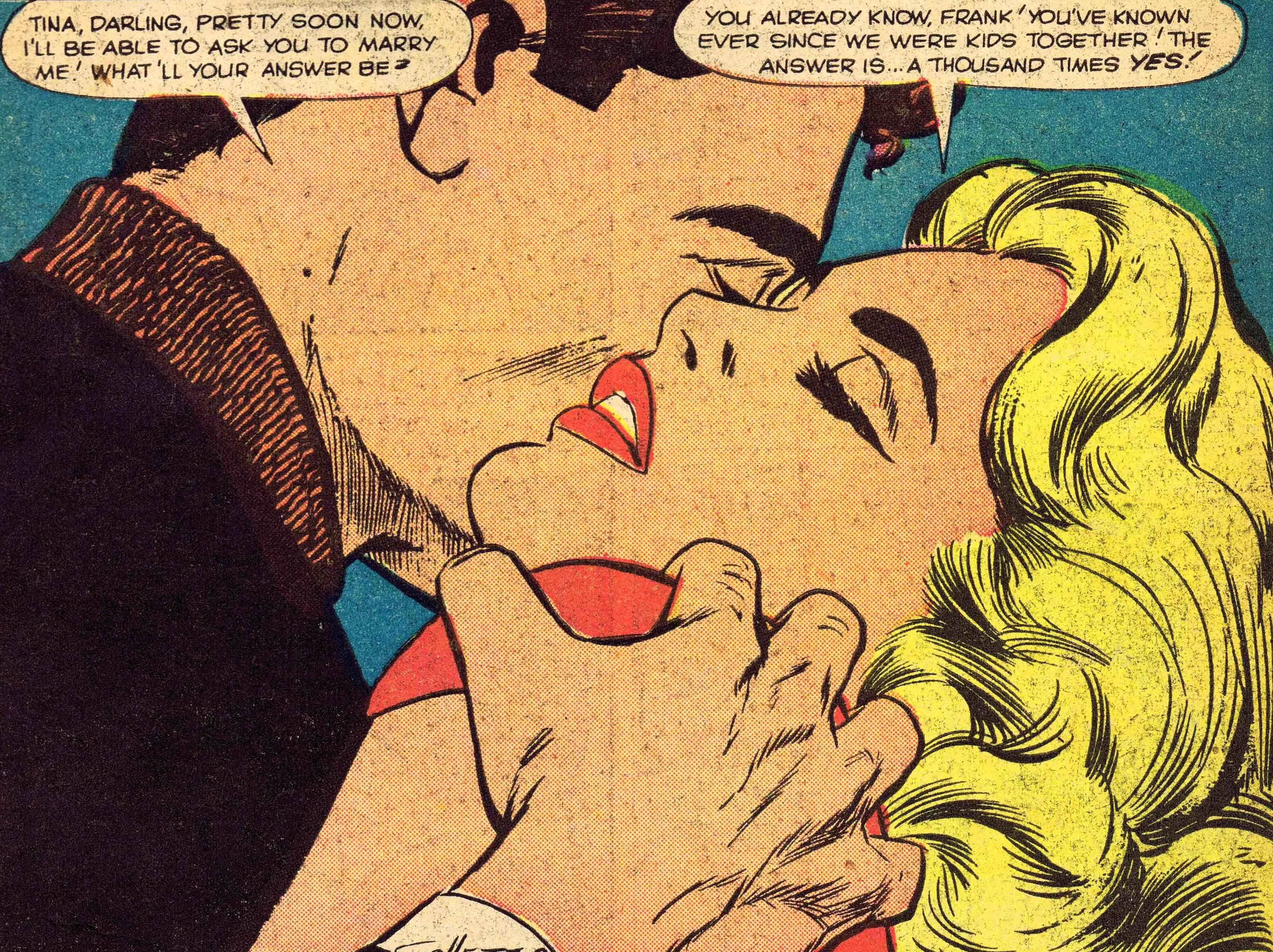 LOVE VINNIE COLLETTA? NO APOLOGY NECESSARY
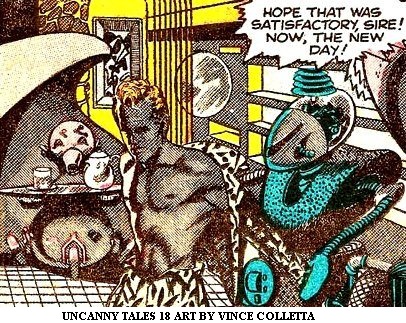
WHO’S YOUR DADDY, THOR? – THE POWERFUL ODIN
 A PHOTOGRAPHER’S JOURNEY – VINCE COLLETTA IN NEW YORK

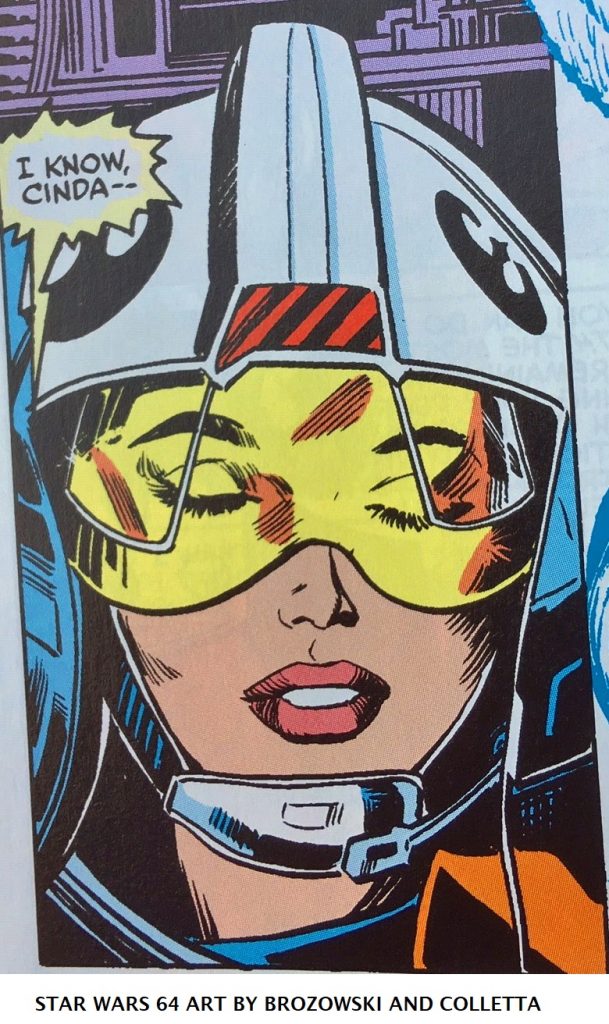
STAR WARS GIRLS NEVER LOOKED SO GOOD
 THERE’S SOMETHING FISHY ABOUT THIS ARTICLE.
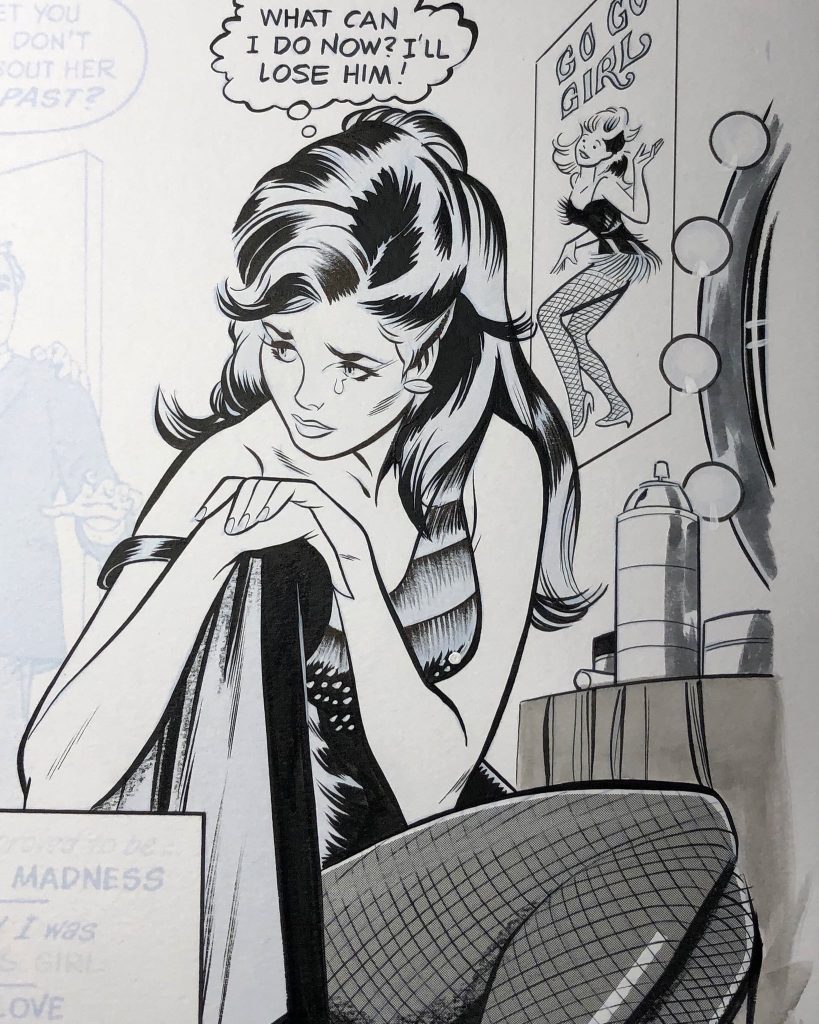
 CARE FOR SOME WITE’ OUT IN YOUR COMIC BOOK ART?
 UNEXPECTED? I NEVER SAW IT COMING.
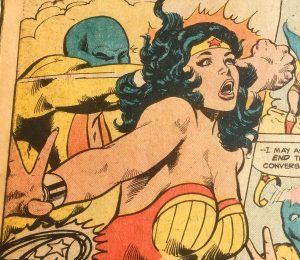 JACK KIRBY, VINCE COLLETTA, MIKE ROYER AND THE KULT
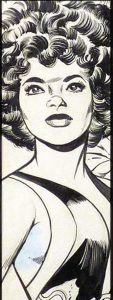 How to Draw Beautiful Women -The Perfect Swipe File

COLLETTA GIRLS!
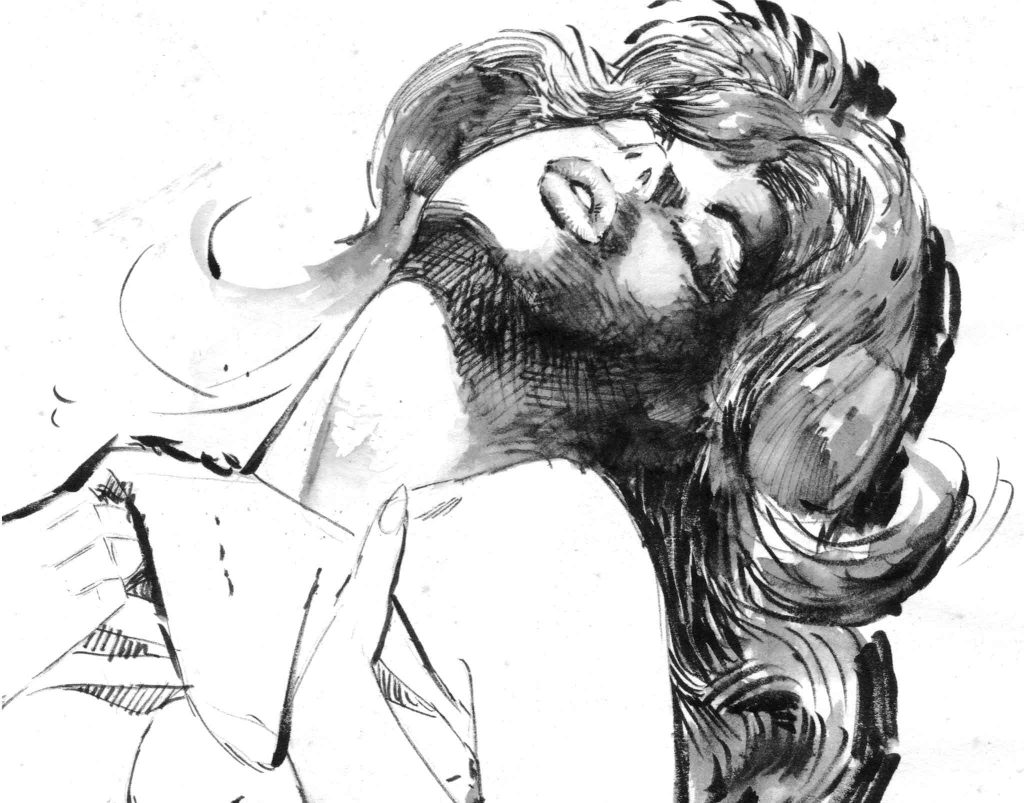 SHIFTING GEARS
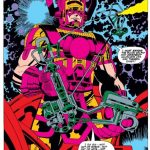
 Jack Kirby’s GALACTUS – As Portrayed by Vince Colletta and Joe Sinnott
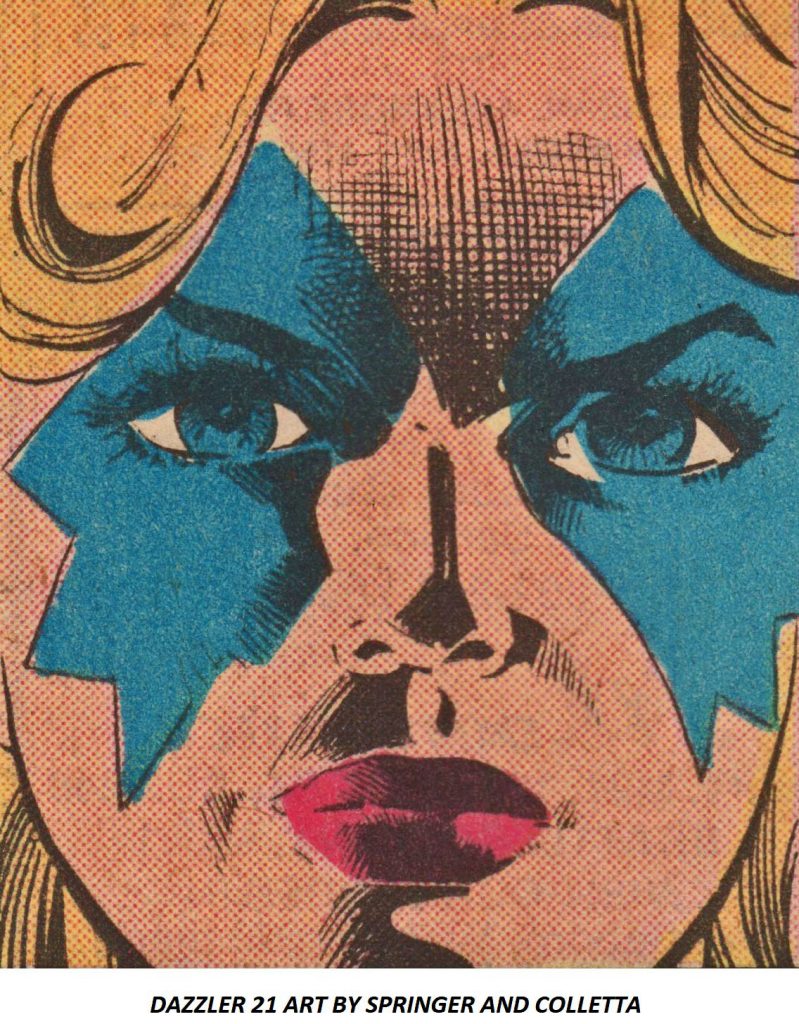
 Dazzler Art by Frank Springer and Vince Colletta
 Is it Art? Or, is it Comic Book Art?
 A HELL OF A SPLASH PAGE
 TALKING TRASH ABOUT VINNIE
 THE ART DIRECTOR’S CHAIR AT DC COMICS

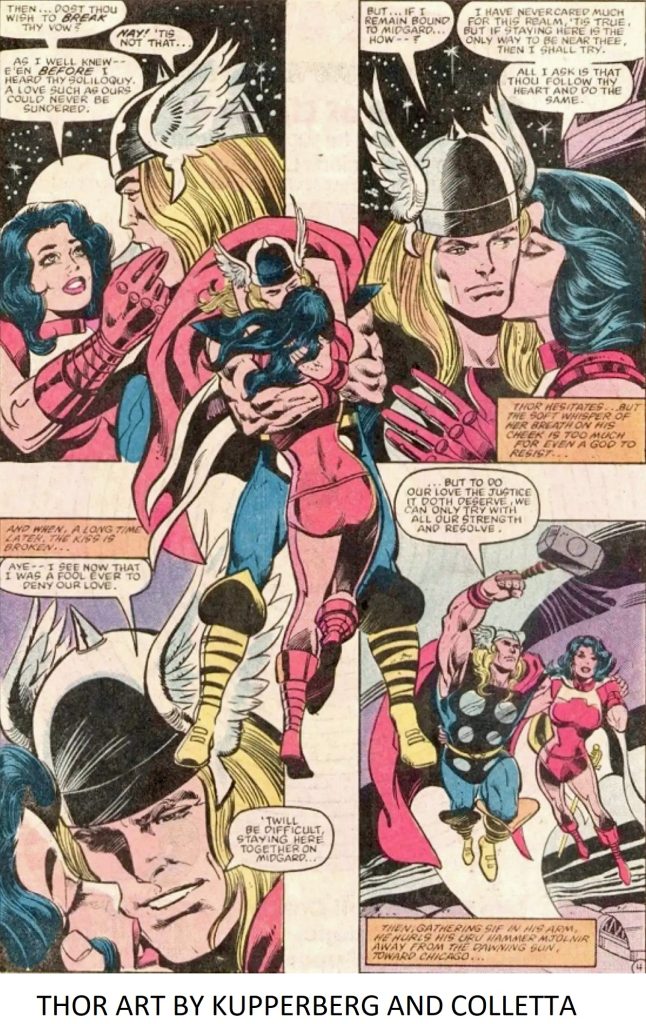
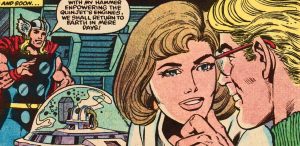 A VINCE COLLETTA REMEMBRANCE BY ALAN KUPPERBERG
 JACK AND VINNIE – FROM START TO FINISH
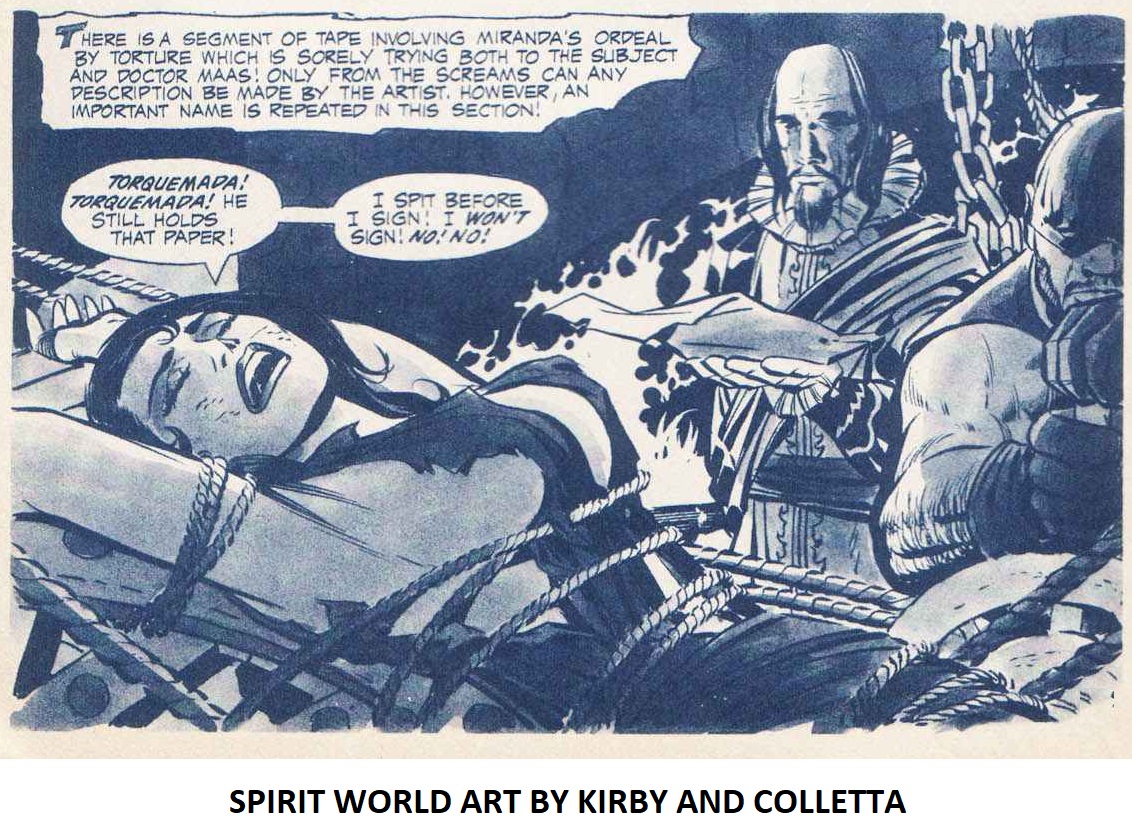
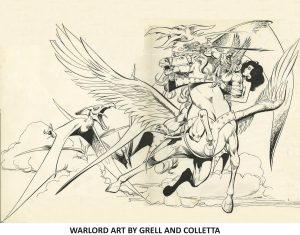
GRELL ON COLLETTA – COLLETTA ON GRELL
JIM SHOOTER ON VINNIE COLLETTA

DENYS COWAN – TEN YEARS LATER STILL SPREADING MANURE
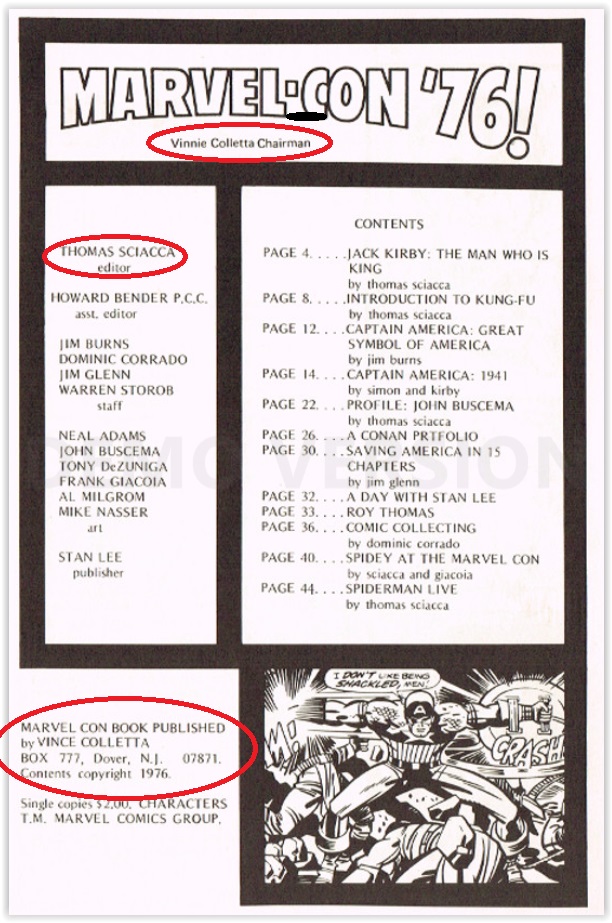
IS VINCE COLLETTA A LEGENDARY FIGURE?

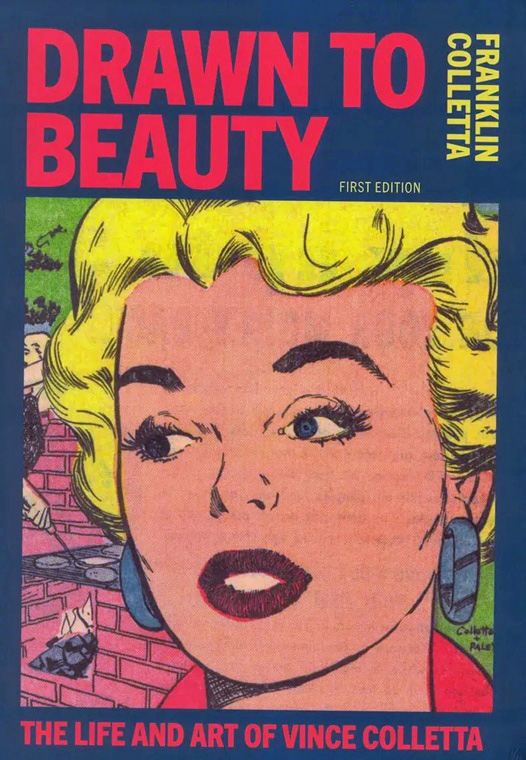
Drawn to Beauty: The Life and Art of Vince Colletta

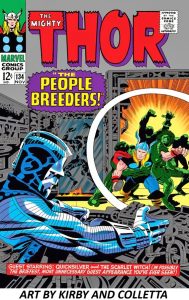
TALKING ABOUT VINNIE WITH MY FRIEND CHAT
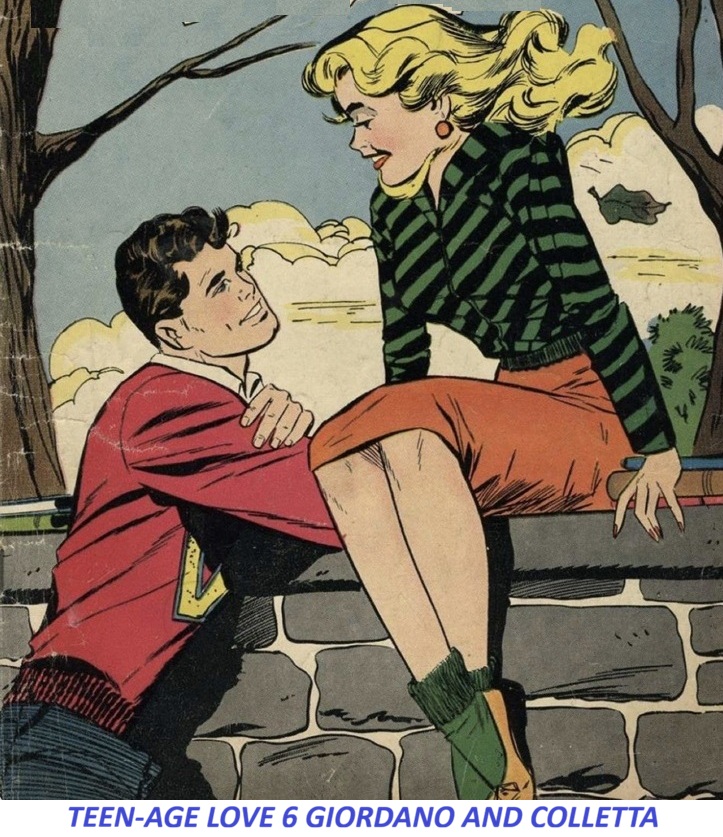
The Double Life of The Colletta Studio


Examining Vince Colletta’s Legacy
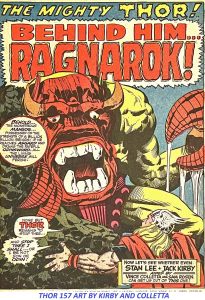
EVEN RAGNAROK CAN’T BELIEVE IT!
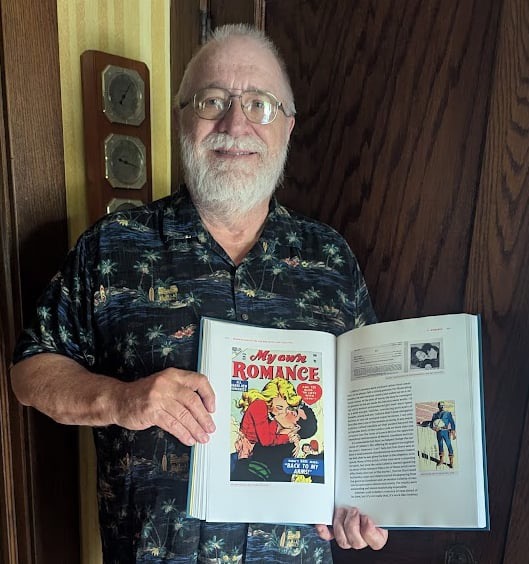
DRAWN TO BEAUTY WINS NON-FICTION AUTHORS ASSOCIATION BOOK AWARD