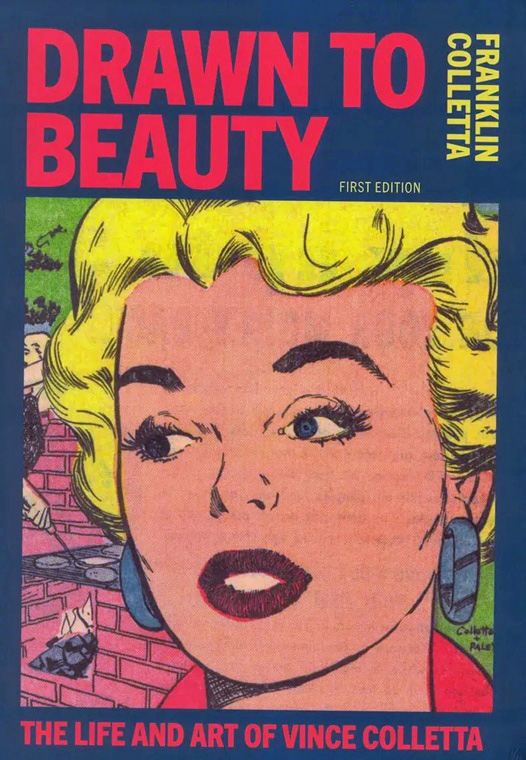
Drawn to Beauty – Vince Colletta, Life and Art was published in the UK earlier this year. It will soon be available in the US but, for now, from Amazon, here is my first review!
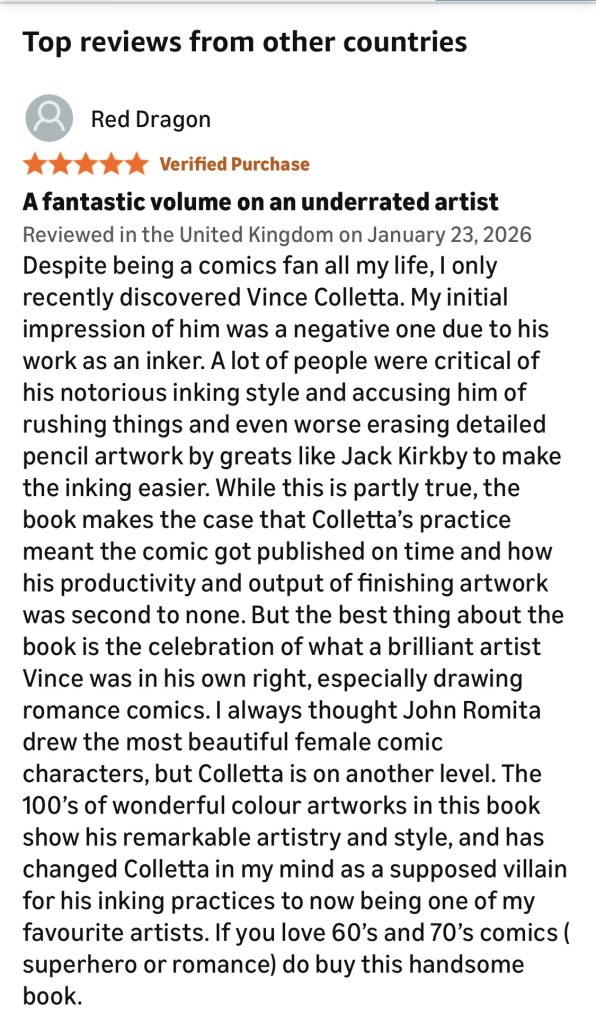
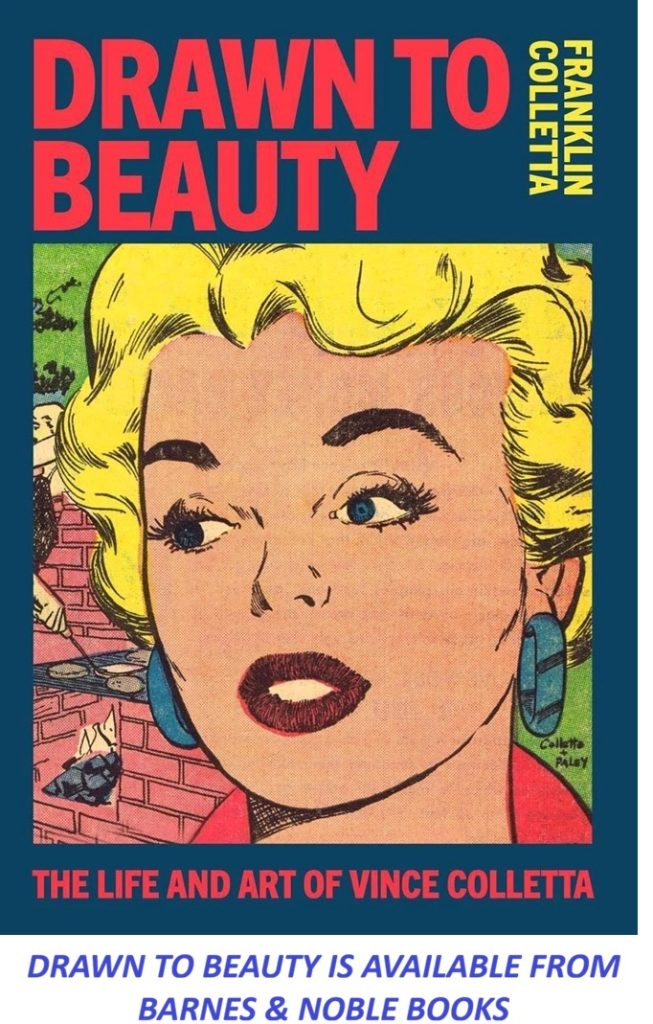

VINCENT COLLETTA – LIFE AND ART
Drawn to Beauty – Vince Colletta, Life and Art was published in the UK earlier this year. It will soon be available in the US but, for now, from Amazon, here is my first review!
While comic books were traditionally dismissed as a debased form of entertainment for American and Japanese adolescent boys (as well as the sources for a multi-billion-dollar film empire), a new book shows how they come with their own traditions and virtuosos. Drawn to Beauty: The Life and Art of Vince Colletta (Black Spring Press) explores the work of an illustrator best known for his work ‘inking’ Jack Kirby’s drawings in Marvel’s Thor and Fantastic Four comics. Colletta (1923–91) is regarded as one of the finest inkers – the artists who translate the sketches into the image that is printed on the page. He was renowned for his delicacy and for giving the final shape to some of Marvel’s most popular characters, before leaving to eventually become the art director of rival company DC. But it’s what he did in between the two roles that might have become most influential.
Kirby may be one famous figure who’s never gotten enough wide recognition, but Colletta’s another who could use some more too. So it’s great to know he’s also received a biography of his work, long after he passed away. And there’s plenty more figures from better eras who could use some biographies too, and hopefully will see them in time.
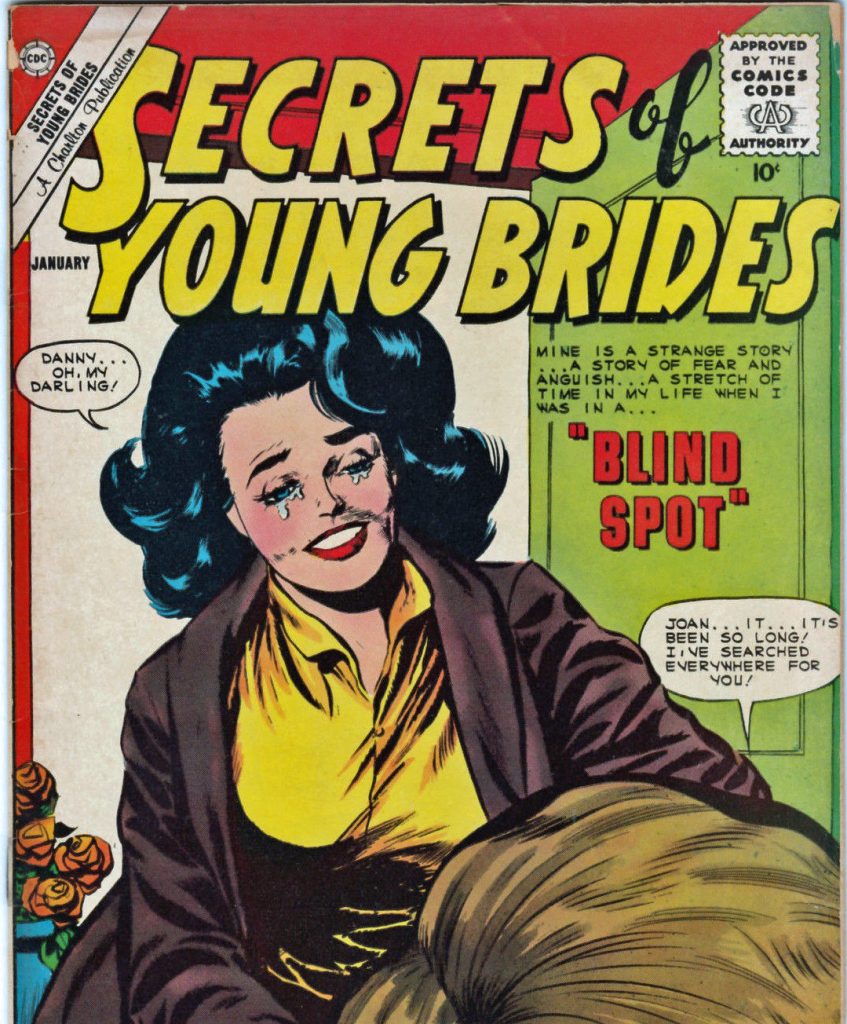
Vince Colletta was a colorful and controversial figure in the world of comic books, particularly known for his romance work and as an inker during the Silver and Bronze Ages of comics. Whether he was legendary depends on whom you ask—but his name definitely left a mark in the industry, both positively and negatively.
Why Some Consider Him Legendary:
Why He Was Controversial:
The Bottom Line:
But either way, he’s an essential figure in comic book history whose name still sparks debate today.
From his boyhood in Sicily, growing up in a mafia family to his success in the publishing field, stories of his exploits in Manhattan and friendships with models actors, and publishing executives made him a larger than life figure.
That description paints Vince Colletta as a truly larger-than-life character—and there’s certainly a mystique around him that has fueled both admiration and controversy.
While much of the public record focuses on his comics career, there have long been rumors and whispers in industry circles that hint at a far more colorful personal life than what’s documented. Let’s unpack that a bit, based on what’s known, speculated, and part of his lore:

Origins & Rumored Mafia Ties
Important note: These claims have been confirmed in his official biography, DRAWN TO BEAUTY and they’ve become part of the “Colletta legend.”

New York: Models, Mad Men, and Manhattan Nights

Publishing Power Player

Legacy of Contradictions
In Summary:
Vince Colletta was a colorful and legendary figure, not just because of his work, but because of the larger-than-life persona he cultivated (or that others projected onto him). From whispers of Sicilian mob roots to his Manhattan nightlife and his controversial but prolific career, he’s remembered not just as a man—but as a story in himself.
Before turning to superheroes, Vince Colletta was Marvel’s most prominent romance artist—especially during the 1950s and early 1960s, when Marvel was still known as Atlas Comics.

Colletta’s Romance Comics Era

Why He Stood Out:

Transition to Superheroes:
His prolific output, polished style, and ability to evoke drama made him a cornerstone of the genre—before he ever touched a cape or a cosmic hammer.

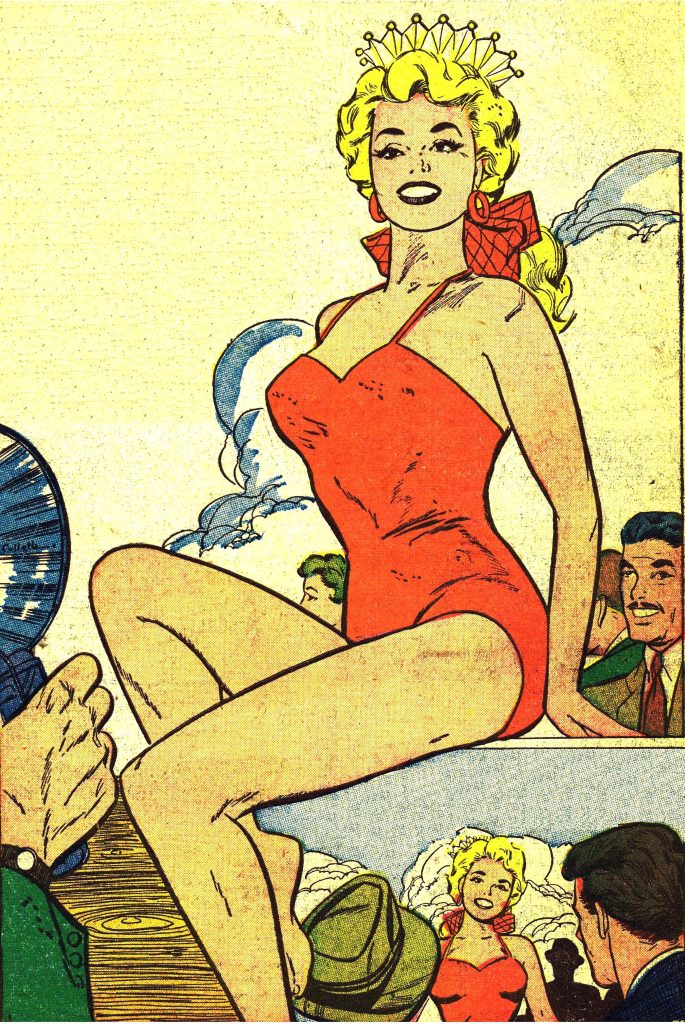
Colletta’s Women: Glamorous, Stylish, and Idealized
This aesthetic was perfect for romance comics, where beauty, heartbreak, and drama were the main selling points.
Compared to His Peers

Even in Superhero Comics
Even after shifting to inking superhero books, his rendering of female characters often retained that glamour and softness. His version of Jane Foster in Thor or various goddesses in Asgard still carried that romance-comic DNA.

What Others Have Said
In Summary:
Vince Colletta is remembered by many as one of the artists who drew the most beautiful women in comics, especially during the golden age of romance comics. His idealized, fashion-forward, emotionally expressive women helped define an entire era—and that legacy still holds up in retrospect.
The drawings of Vince Colletta. Enjoy these images. They are works of art.
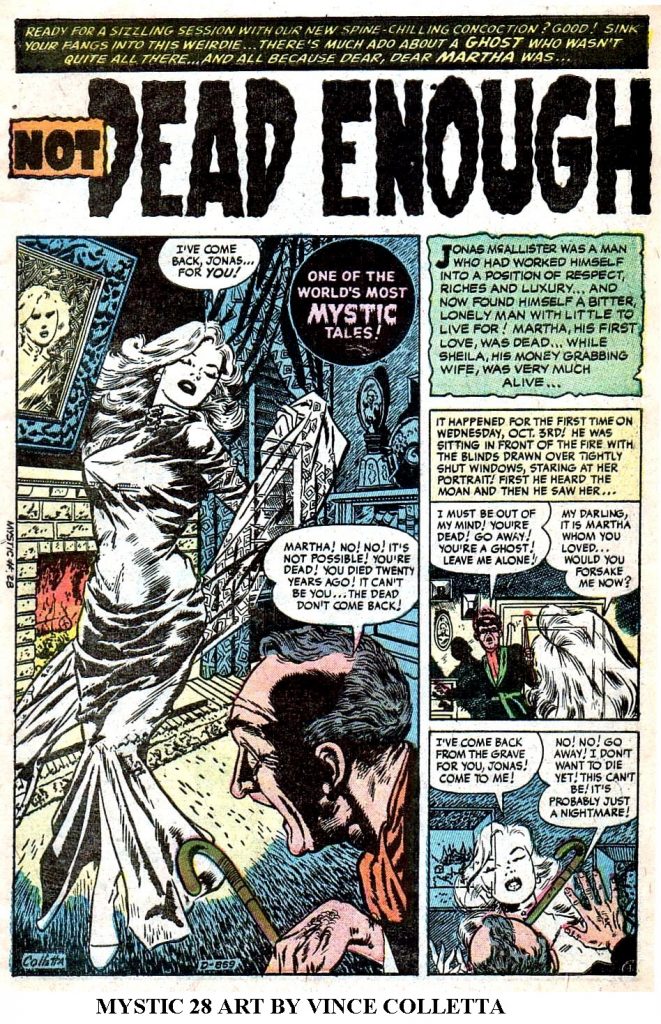
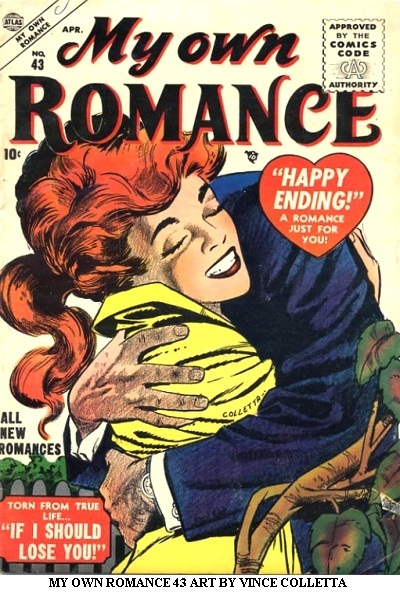
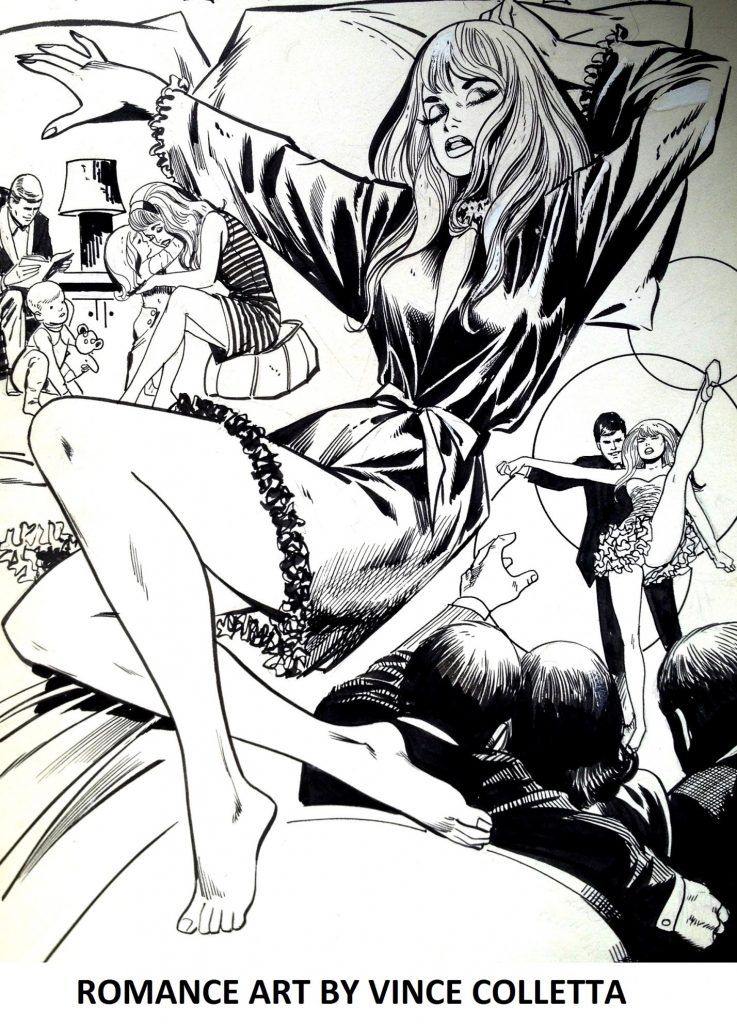
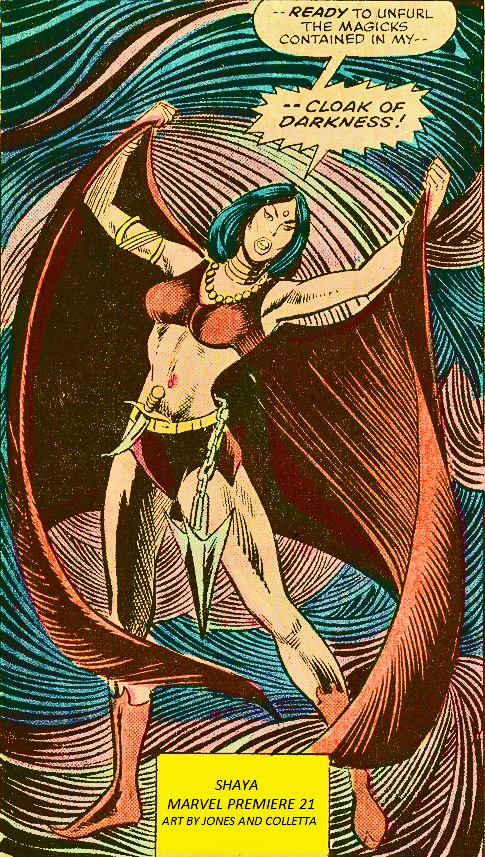
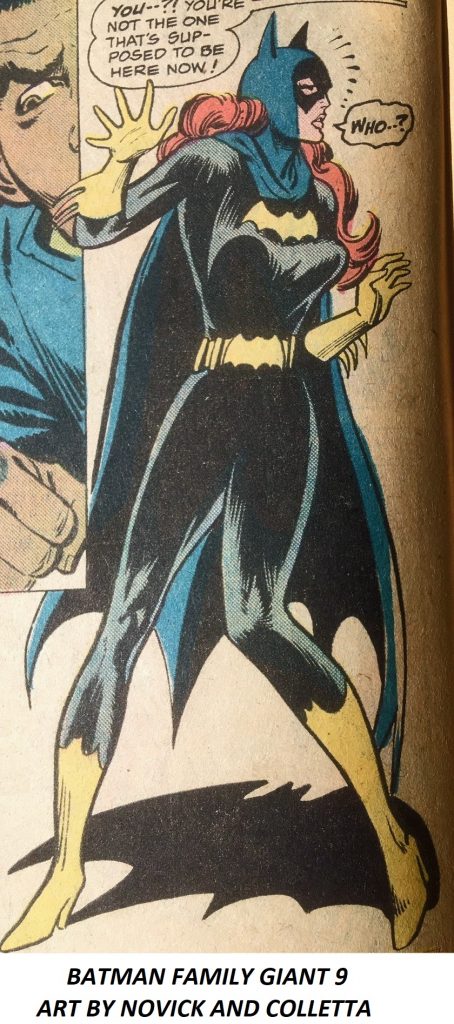
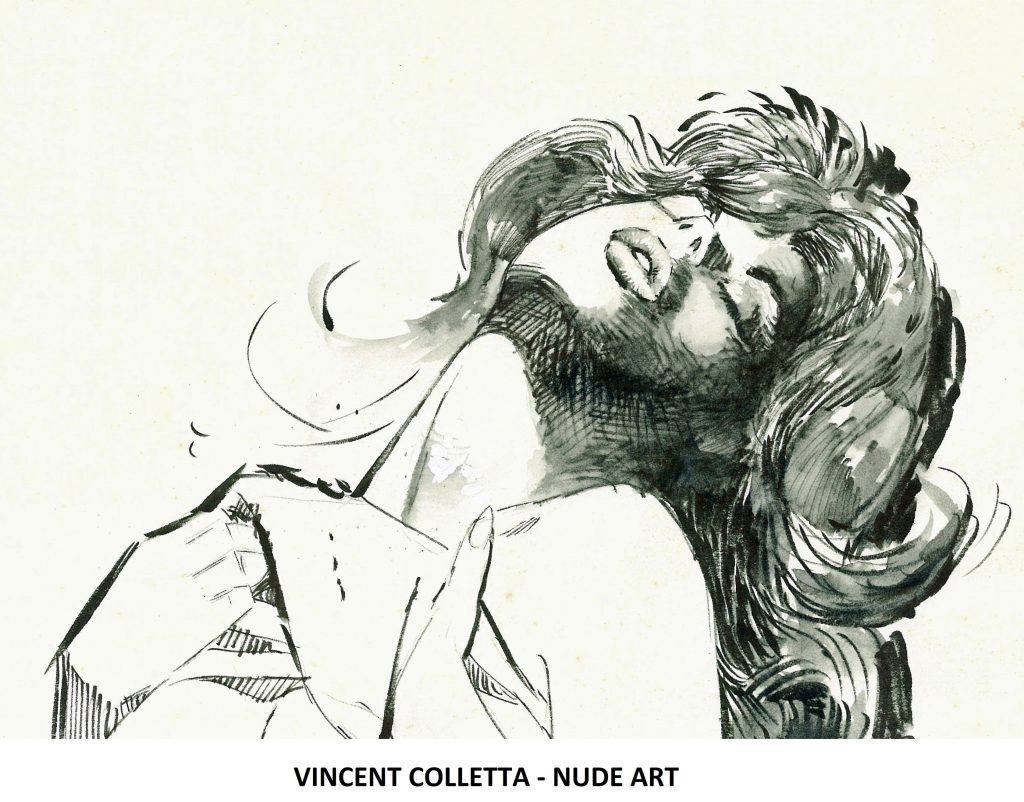
Vince Colletta was undeniably a part of Marvel’s success, particularly during its formative years in the 1950s and 1960s. As the company’s premier romance artist, he helped establish Marvel’s dominance in the romance comic genre, producing a vast number of covers and stories that were a key part of the publisher’s output before the superhero boom. His delicate linework and ability to convey emotion made him a defining artist of that era.
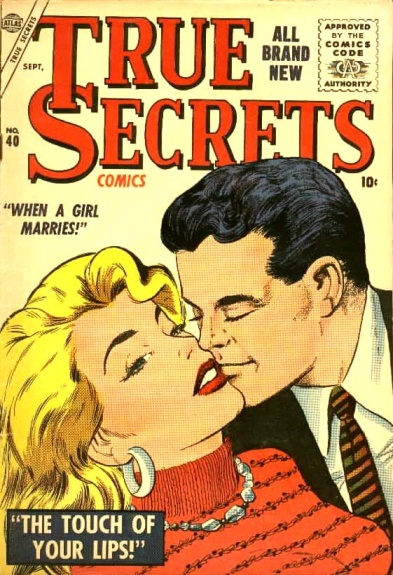
When Marvel transitioned to superheroes, Colletta played a crucial role in inking Thor and Tales of Asgard, some of the most visually striking stories of the Silver Age. His fine-line feathering and high-contrast inking gave Jack Kirby’s epic mythology a grand, romanticized look that became a signature style for the title. His ability to meet tight deadlines also ensured that Marvel’s books shipped on time, something that was critical to the company’s growth and reliability.
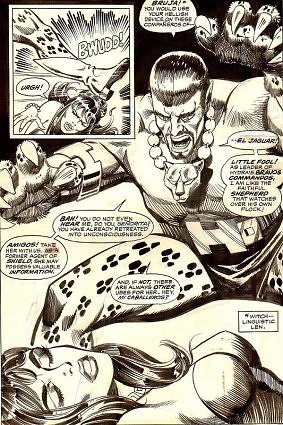
Though his tendency to simplify or omit details in the inking process has been debated, his contributions to Marvel’s visual identity and output were substantial. His sheer volume of work, adaptability across genres, and impact on major titles make him an important figure in Marvel’s history.
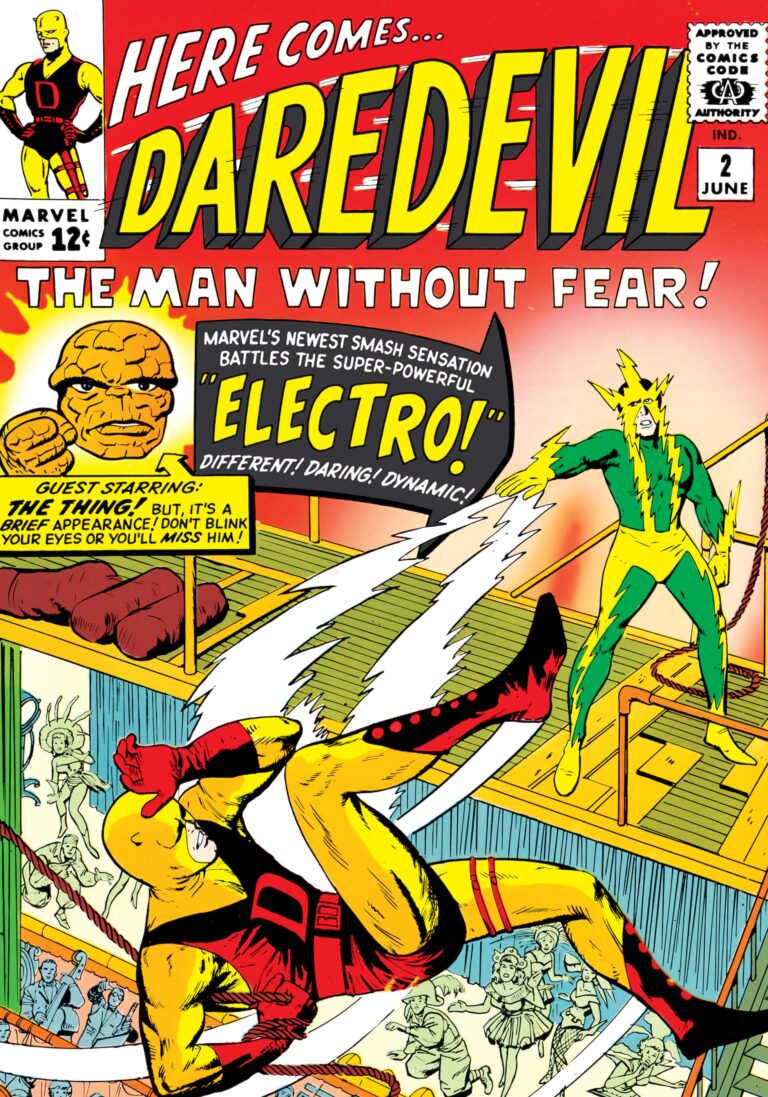
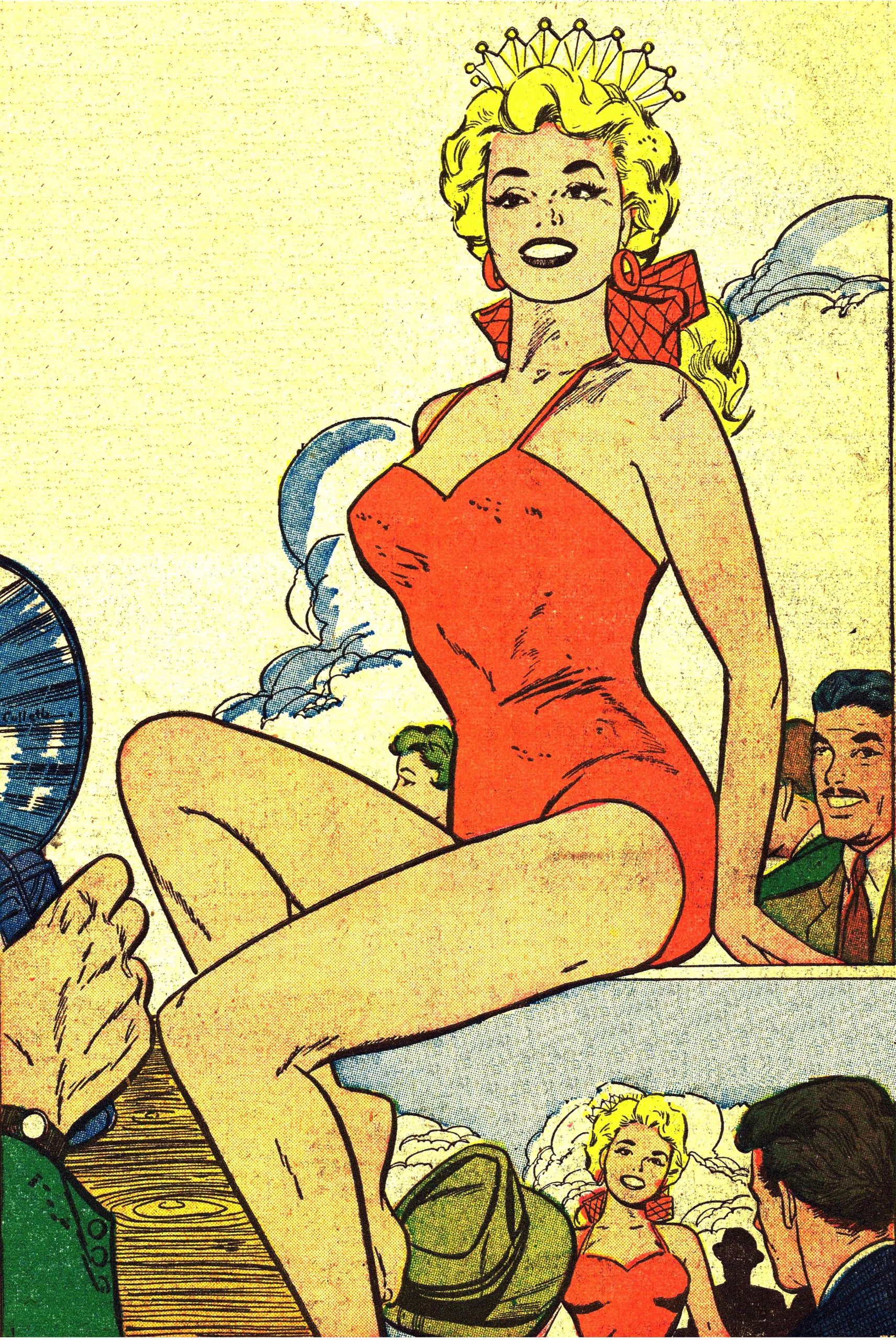
Vince Colletta’s artwork is best known for its fine linework, delicate feathering, and ability to create a soft, romantic atmosphere—qualities that made him Marvel’s most prolific inker, especially in the romance genre of the 1950s and 1960s. His inking style often added a textured, almost ethereal quality to the figures he worked on, which suited the lush, dramatic compositions of romance comics.
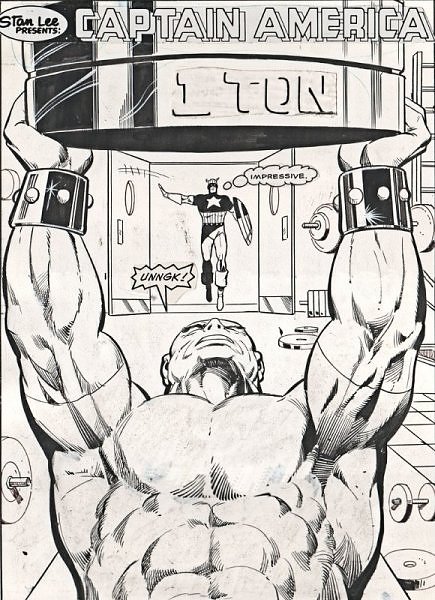
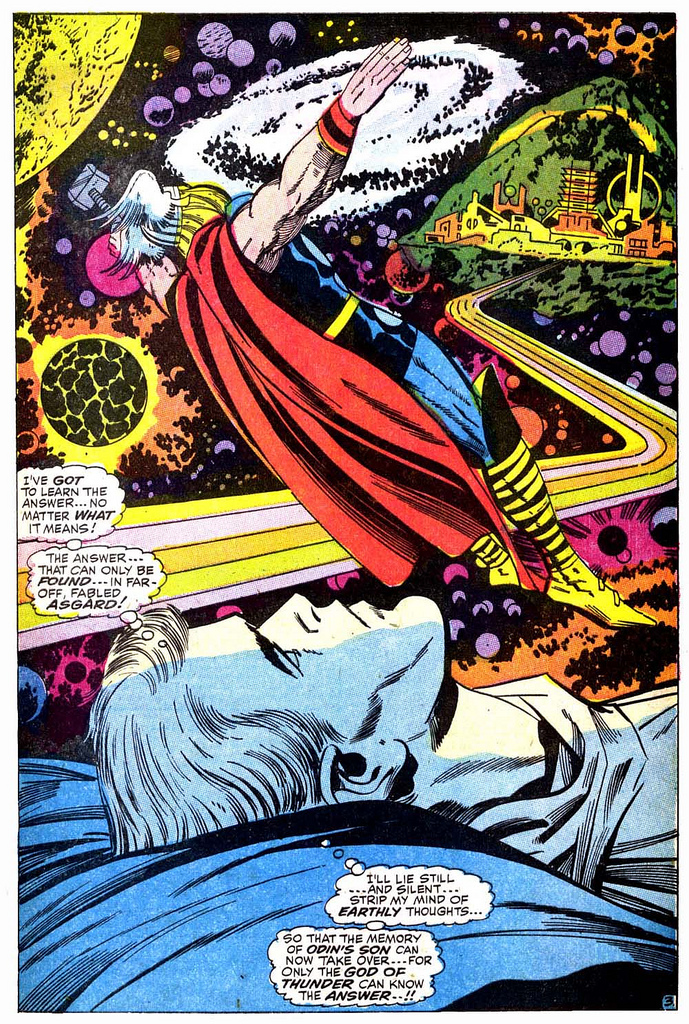
When working on superhero titles, Colletta’s inks sometimes smoothed out or simplified the details of the penciler’s work, making the figures more elegant but also sometimes reducing the depth or intensity of the original pencils. He was particularly associated with Jack Kirby’s Thor, where his fine line hatching gave Asgardian scenes a grand, almost mythic feel.
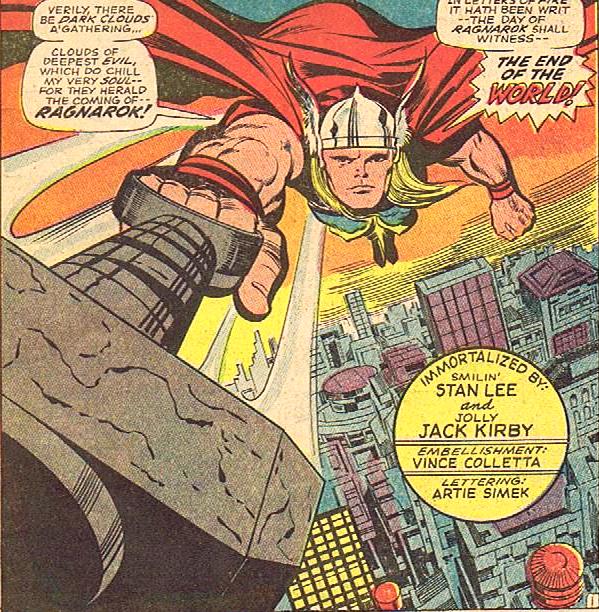
Though Colletta was sometimes criticized for erasing or simplifying details to meet tight deadlines, his adaptability and speed made him one of the most in-demand inkers of his era. His work remains a defining part of Marvel’s Silver and Bronze Age aesthetic.
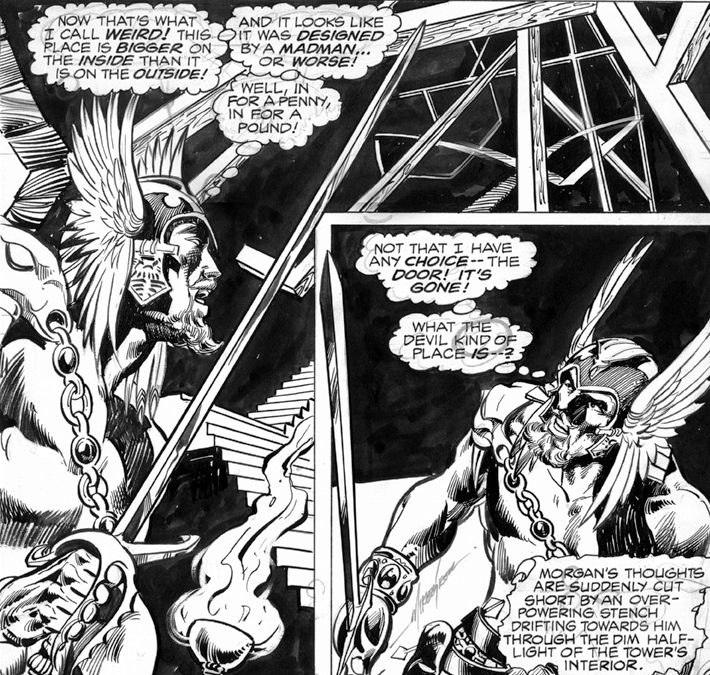
Vince Colletta’s inking on Warlord at DC Comics retained the same stylistic approach he used on Thor and Tales of Asgard. His fine feathering, delicate cross-hatching, and high-contrast linework gave Warlord a mythic, almost ethereal look that complemented Mike Grell’s dynamic, detailed pencils. Much like his Thor work, Colletta’s inking on Warlord helped establish a grand, fantasy-driven atmosphere, emphasizing the sword-and-sorcery elements of the series. His technique added a sense of motion and texture to Grell’s figures, often making them appear more refined or softer. Overall, his inking on Warlord fit well with the title’s epic fantasy aesthetic, much like it had in Thor’s Asgardian sagas.
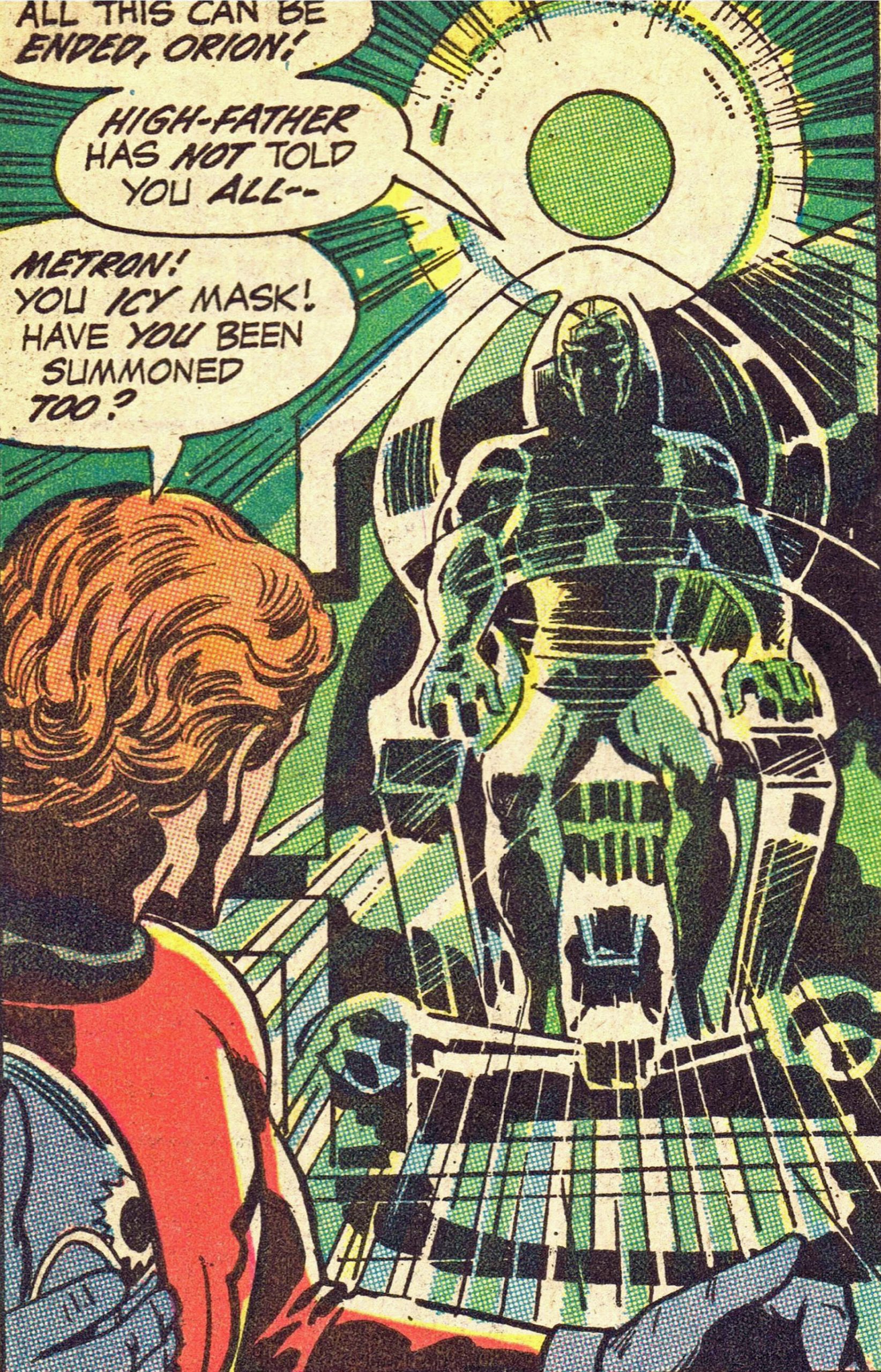
Later in his career, Vince Colletta adapted his inking style to better suit the bold, dynamic nature of Jack Kirby’s Fourth World books at DC Comics. Unlike the soft, delicate feathering he used in romance comics and Thor, Colletta employed a more graphic, high-contrast approach in titles like Mister Miracle and New Gods. His inking in these books featured heavier blacks, stronger line weights, and a more angular, dramatic quality to match Kirby’s powerful, kinetic storytelling. While Colletta’s work on Thor gave Asgard an almost mythic elegance, his Fourth World inking often emphasized raw energy and motion.
Vince Colletta holds the record for the most art credits of any comic book artist by a significant margin. According to the Grand Comics Database, Colletta’s total pencil and inker credits amount to 13,940 pages, surpassing other prolific artists like Josef Rubinstein, whose credits total 9,704 pages.
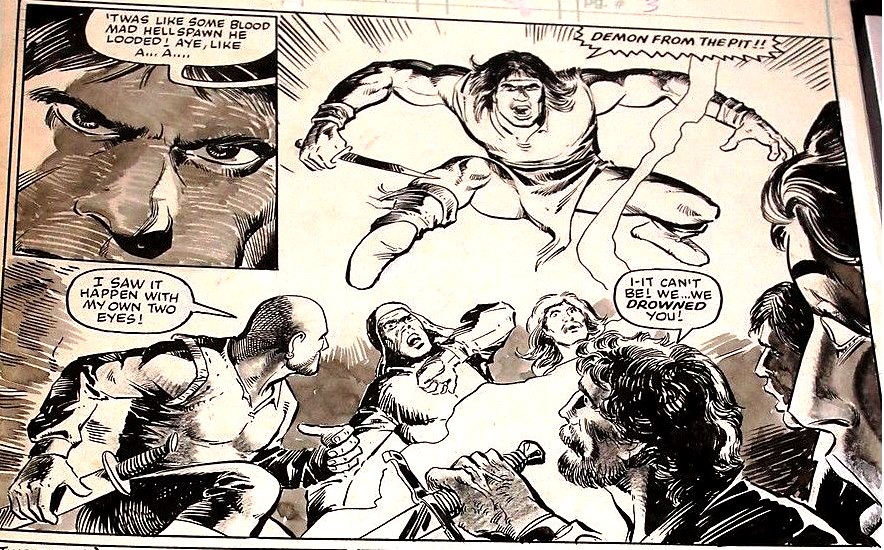
Colletta’s immense output was due to his exceptional speed and work ethic. As Marvel’s primary romance artist in the 1950s and 1960s, he handled a vast number of covers and interior pages. Later, as an inker, he became known for his ability to complete pages quickly, making him a go-to choice for deadline-driven projects. His extensive work across multiple genres—including romance, superhero, war, fantasy, and horror—ensured his place as the most prolific artist in comic book history.
An email or social media message can often make your day. I saved this one, written by Tom Sciacca, about my father, Vince Colletta, in a Word document where it has been residing in my laptop. Every so often I come across it so this afternoon I decided to share this poignant and humorous letter with you.
T Paul Sciacca: Miss your dad..sometimes I do an impression of him…he was one of a kind…he gave me my career when he had Stan Lee hire me to help run Marvel con in 1976..then took me to DC Comics to be his assistant when he became art director..I will always be grateful..and Frank Miller and Trevor von Eeden should be grateful to him. I brought both of them to him when they were looking to break in..Frank has never mentioned Vinnie or me…and he still owes me money when he would borrow from me cause he had none for dinner..
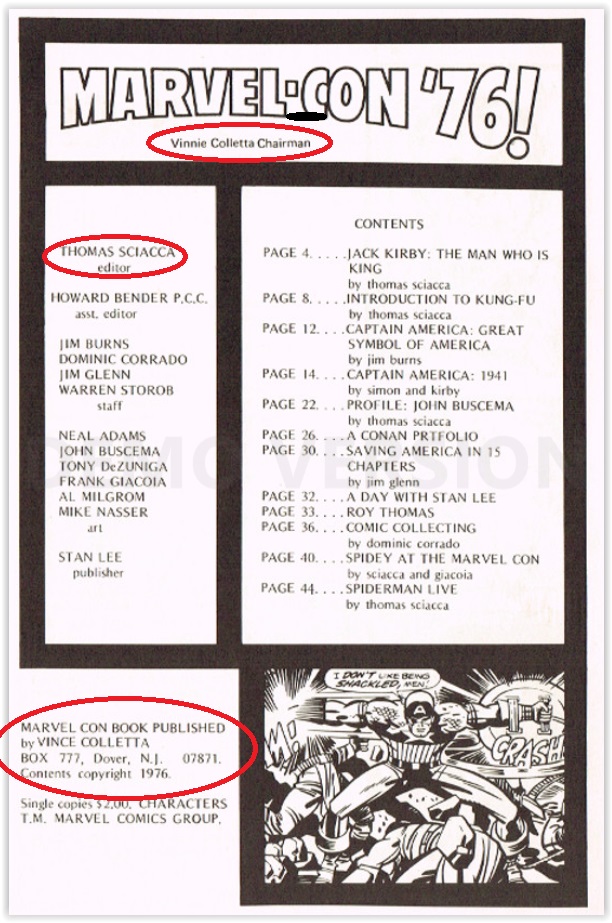
Vince Colletta acted as the chairman for the Con. The book was edited by Thomas Sciacca, with assistance from Howard Bender.
Tom Sciacca previously wrote to me describing his interaction with actor Peter Falk which allayed his skepticism over a story Vinnie told him about his old friend.
Thomas Sciacca: I remember your dad talking about actors he was friends with.he mentioned Peter Falk..I thought he was bullshitting..until I ran into Falk by the arts students league on 57th St..I said ‘Hey Peter..Vinnie Colletta said to say hi..he immediately stopped and excitedly said how’s Vinnie doing..I guess your dad hung out with them. They used to play pool..and Falk was a good artist who took lessons at the students league..even after he was a big star..wonder if he did backgrounds for your dad in the 50s..lol
Thank you, Thomas Sciacca for correspondences that I will always remember.
Round about 2008 an upstart comic book blogger who went by the name of Dan McFan burst onto the scene. It seemed as if his very existence revolved around the rumors and myriad stories swirling throughout the comic book art community about Vince Colletta. Talk about infamous – McFan exposed more misconceptions and outright lies being told about that man than any ten of his peers. Without going into all of the posthumous stories swirling around the halls of fandom concerning Vinnie, it was accepted by one and all that Colletta was a well-liked gentleman. I am privileged to be in possession of all of Dan’s e-Mails, notes and articles. Many professionals who wrote to him attested to Vinnie’s professionalism and good-natured spirit.
So, it was with great concern when Dan read comments by a black artist named Denys Cowan hinting that Vince Colletta was a racist. Supposedly, Cowan came into DC (or was it Marvel?) to show his portfolio and was told by Vinnie “We already have a black artist here at DC (Trevor Von Eeden – who got his first big break, interestingly enough, from Vince Colletta). McFan immediately wrote to Denys. This very short exchange followed:
Dan McFan: You wrote that Vince Colletta rejected you saying that “DC already has a colored artist”. Is this true?
Denys Cowan: Hey Dan,
Why do you need to verify this info?
Vinnie’s been gone a long time….
That was, as they say, all he wrote.
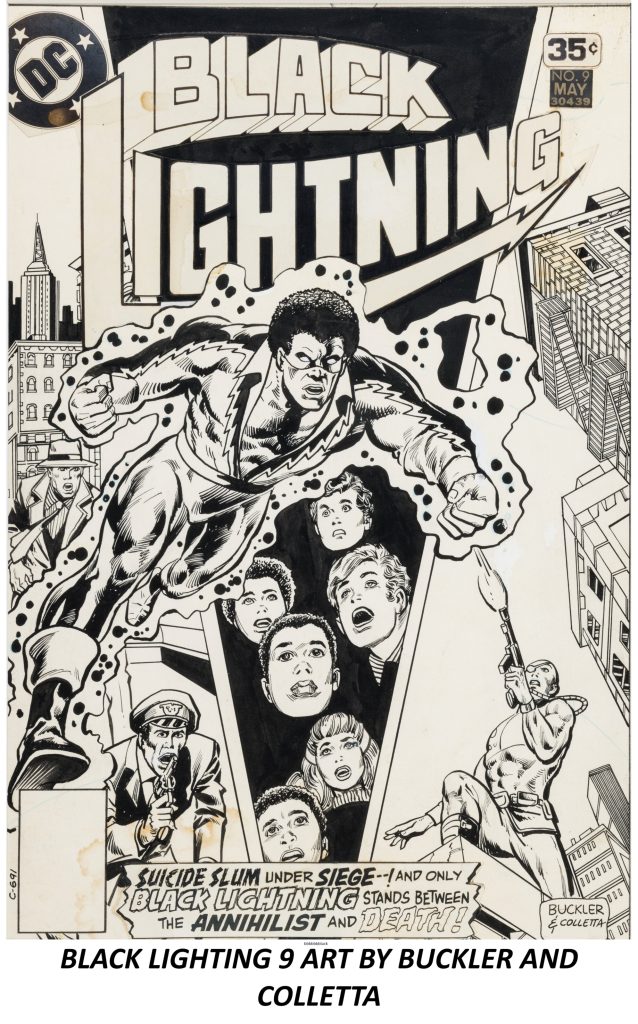
Fast-forward to 2024. Denys Cowan is being interviewed by a knob named John Siuntres and appears in a You Tube by Michael Stradford (Comments turned off…) where he repeated the story, this time with a few embellishments. Supposedly it was Rich Buckler, a protégé of Vinnie’s, who arranged the meeting between fifteen year-old Artist Cowan and Art Director Colletta. Same story, we already have a colored artist working here, blah-blah, but in this version, after Denys tells Buckler, Rich runs into Vince’s office to criticize him. According to Cowan, Vince didn’t back down but try to imagine the incredulity of the scene. Vince was a mentor to Rich Buckler. Rich wrote a very moving piece for my book about his time working with my father. Rich Buckler has since passed and it occurred to me that Cowan could have simply answered Dan McFan’s question in 2008 and had a real-live Rich Buckler to corroborate it.
Another interesting comment was made by Denys that Vince kept puffing on a cigar between looking at the individual pages in his portfolio. I just happened to be speaking with my sister Rosie an hour ago and shared the story with her. I asked “Did you ever once see daddy smoke a cigar?” Oh, how she laughed at the notion before saying “No!”
Cowan concluded with a years-later tale of Editor-in-Chief Jim Shooter asking Vince to offer an apology to Denys. According to Cowan, it went something like “I don’t remember the incident but if what I said hurt you, I apologize.” Did Vinnie make a “we already have a colored artist” crack to Denys? Perhaps he did but, if so, it was most assuredly said in jest with no disrespect intended. I must say that I am skeptical about this part but, since Jim Shooter is still alive and well, perhaps he would like to weigh in.
I knew Vince Colletta like only a son can know his father and if there were even one racist bone in his body, I’d recognize it and freely admit it. I should simply stay silent and let Cowan’s story die its richly-deserved death except that dirt bag will come out of his rat-hole ten years from now to repeat it once again. Maybe its your only claim to fame, Denys; you sad, whimpering clown.
Vince Colletta played a significant role in Marvel Comics’ and DC Comics’ history, particularly during the romance era of the 1950s and 1960s and the Silver Age of Comic Books, but his contribution is often seen through a nuanced lens. Colletta was a prolific penciler and inker, known for his work on series like Thor and Wonder Woman. He was a pivotal figure in the successes of both Marvel and DC Comics.
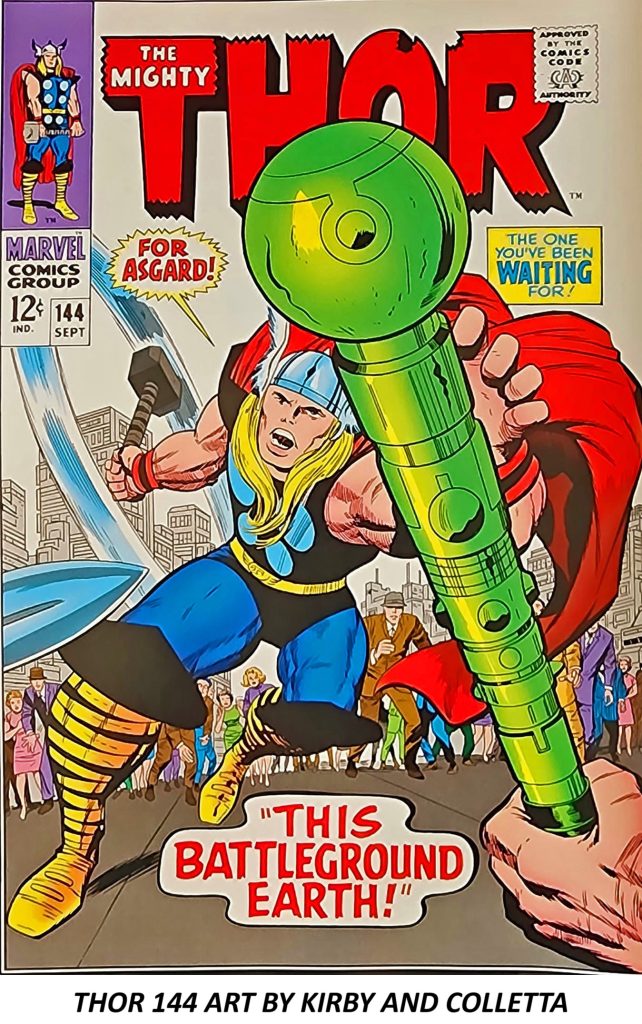
Colletta’s Contributions:
Controversies:
A Crucial Role
Colletta’s contributions were vital. His work ensured that the machinery of the comics industry continued to run smoothly. Colletta’s role was not in the creation of iconic characters or groundbreaking narratives; rather, it was in the efficient delivery of existing work. Vince Colletta was also chosen to be Art Director at DC Comics. In summary, Colletta’s efforts were indispensable in maintaining production schedules. Without Colletta, some books might have missed deadlines. Vince Colletta’s loyalty leaned heavily toward the publishers, prioritizing deadlines and production schedules over the concerns of pencilers. This approach made him an indispensable asset to companies like Marvel and DC but also a divisive figure within the comics community. Colletta likely saw his actions as necessary compromises. From his perspective, a simplified or altered page that made it to print was far better than a beautifully detailed page that missed the deadline and delayed an entire book. Colletta’s legacy illustrate a central tension in commercial art: the balance between creative expression and practical constraints.
Ask AI a few questions about Vince Colletta and this is what you get!
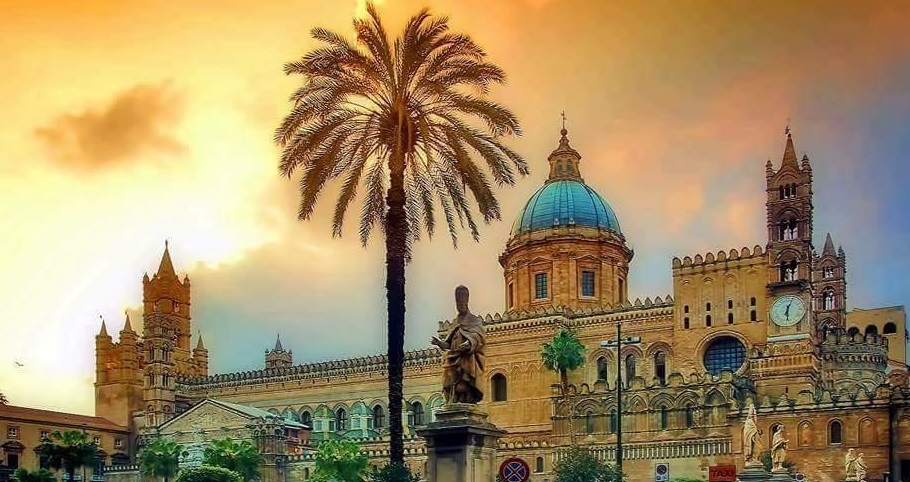
Artist Vincenzo Colletta (October 15, 1923 – June 3, 1991) was born in Casteldaccia, Sicily on October 15, 1923. Vince, as he came to be known after emigrating to The United States, became the most published artist in history.
Vincent Colletta was an American comic book artist and art director best known for romance art and as one of Jack Kirby’s frequent inkers during the 1950s-1960s period called the Silver Age of comic books. This included some significant early issues of Marvel Comics’ Fantastic Four, and a long, celebrated run on the character Thor in Journey into Mystery and The Mighty Thor.
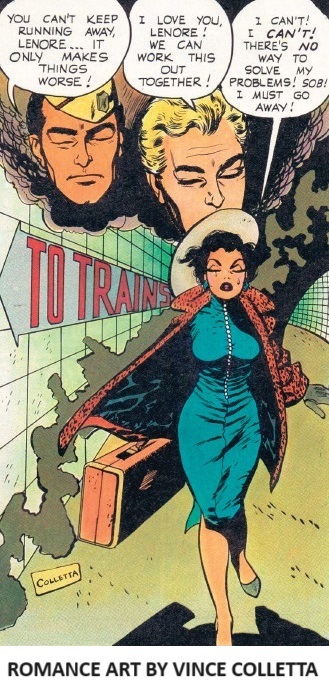
Colletta was also known for drawing the most beautiful women in comics. His first success in comics came during the boom in romance comics in the 1950s. Colletta loved to draw beautiful women and thus the romance comic industry was perfect for him.
He was named DC’s art director in May 1976, resigning the post in May 1979. His time there included discovering future industry star Frank Miller.
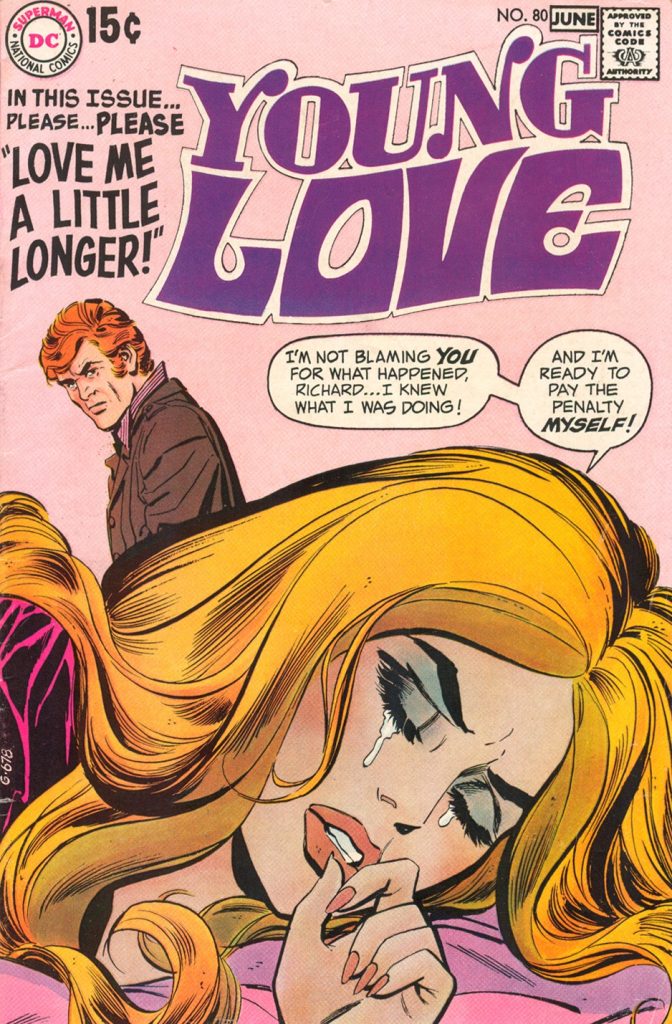
Colletta was regarded as one of the American comics industry’s fastest inkers and a reliable professional to call upon when a comic was in danger of missing a printing deadline. He nonetheless has been criticized by a range of fellow professionals and comic historians for erasing various details in a penciler’s work, both in order to lessen the inking burden and to help meet time constraints during an industry era when printers charged then-prohibitive thousands of dollars for missed deadlines, which resulted in idle presses.
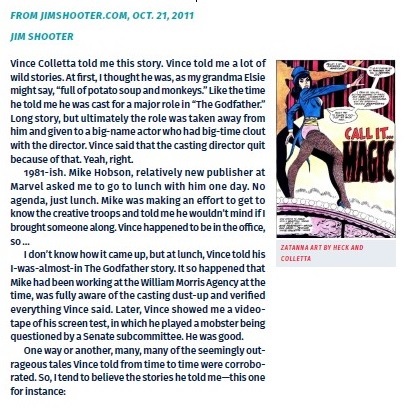
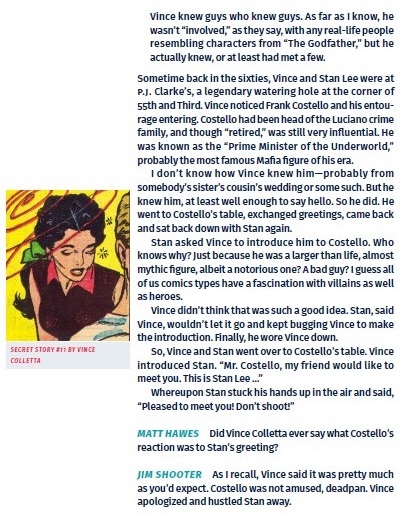
Some years back, former Marvel Editor-in -Chief, Jim Shooter penned a story about Vince Colletta entitled “Stan Meets a Mobster” which describes a chance encounter with former Mafia boss Frank Costello during lunch with Stan Lee at PJ Clarke’s Restaurant in Manhattan. Good stuff!