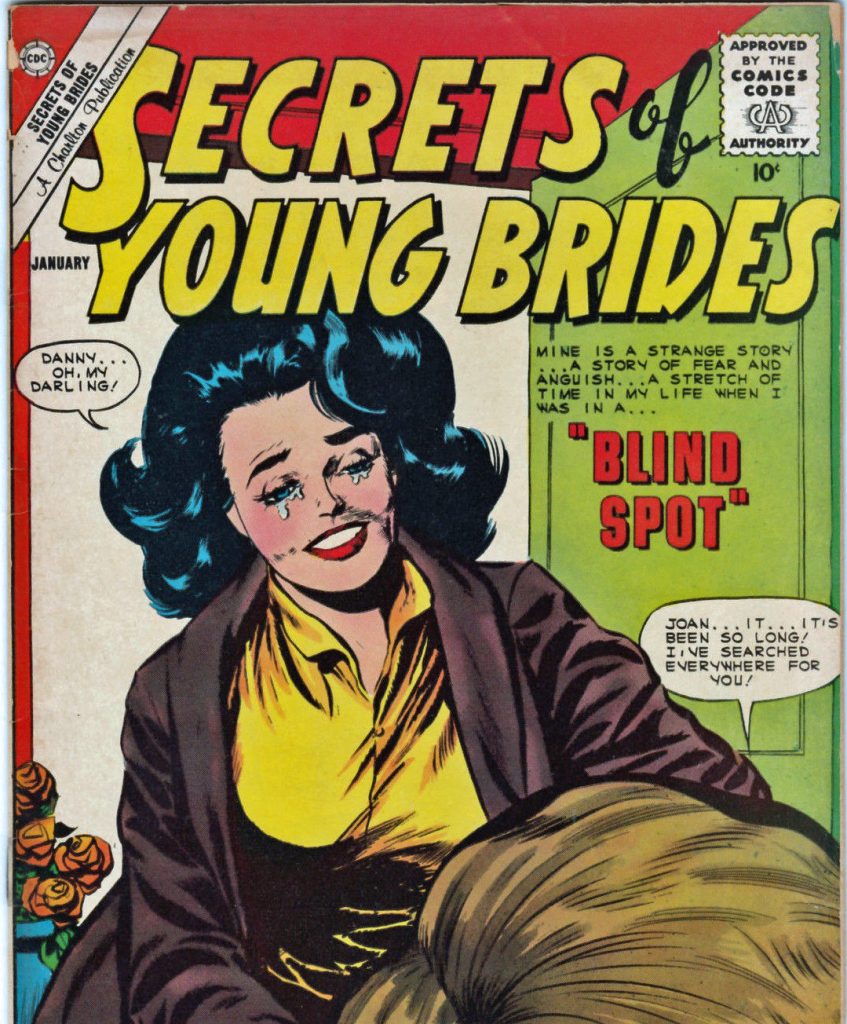
DRAWN TO BEAUTY – NONFICTION BOOK AWARDS WINNER | VINCECOLLETTA.COM

Drawn to Beauty Wins Silver Award for Vince Colletta Biography
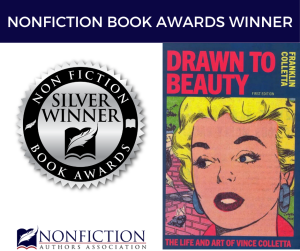
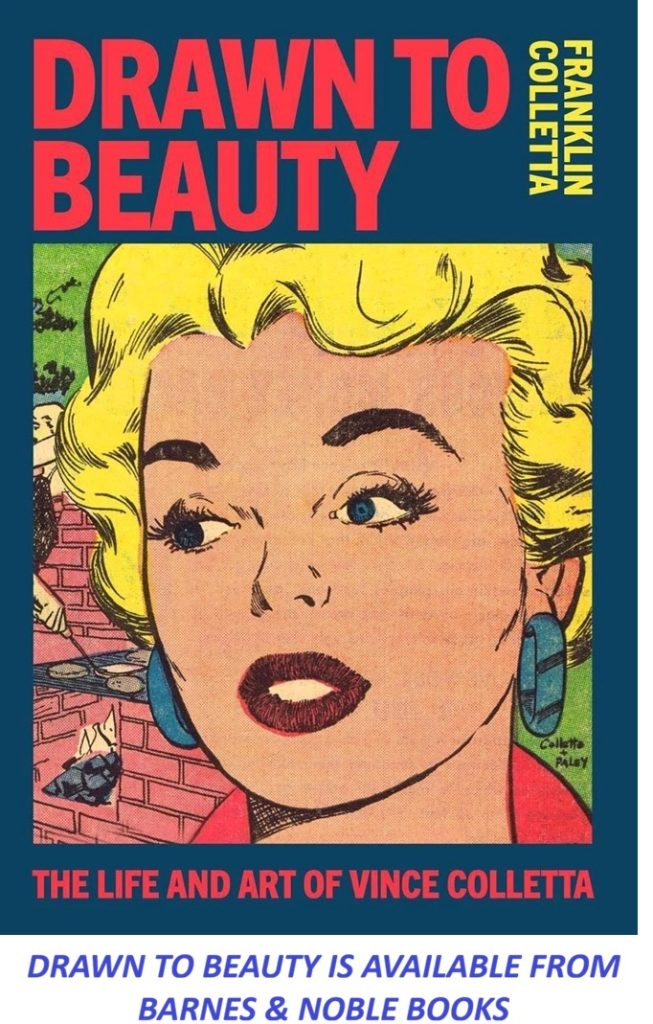
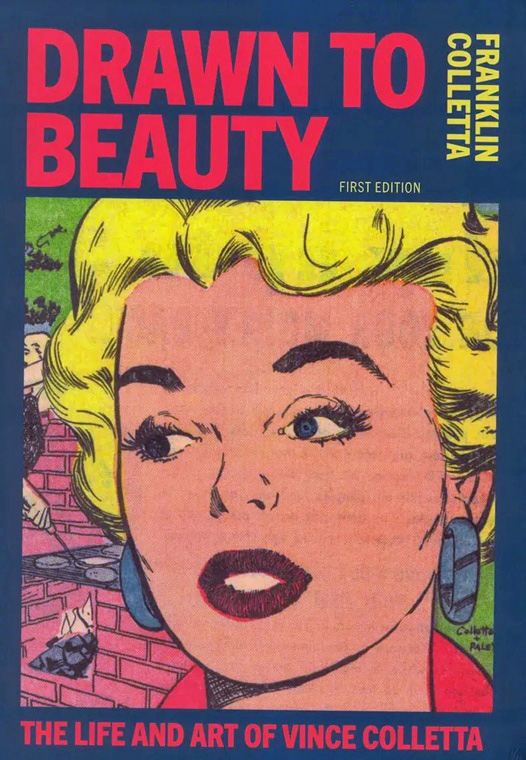
Drawn to Beauty book cover, biography of comic book artist Vince Colletta

Dear Franklin,

CONGRATULATIONS! Our reviewers have completed the evaluation process, and we are thrilled to report that your book earned a SILVER award.

Judges’ Feedback on Drawn to Beauty

Here’s some of the feedback DRAWN TO BEAUTY received from our judges:

  • Although the artist’s name may not be familiar, I am sure the illustrations for graphic novels/ comics will be more recognizable for many. This is an excellent study of the unique style of Colletta, referred to as an inker who inked the plates from original pencil drawings, and of how he was passionate about depicting characters in more depth, particularly the emotions expressed in female faces.
  • It is interesting to hear how his style was so different from others involved in comic-book art, creating more realistic images than just caricatures. However, the artist was also skilled in traditional art forms but chose to focus on making his images softer, more rounded, therefore becoming the benchmark for illustrations depicting romantic scenes.
  • It is a great read, full of colour images that show how impressive his style was. There has been some criticism over the years, mainly related to how he was later seen as sacrificing detail in order to meet publishing deadlines, but ultimately this study shows how he became so popular in the context of graphic comic illustration during the peak of its popularity.
  • In an era increasingly dominated by artificial intelligence, it’s refreshing to dive into a book that celebrates the life and work of an original artist like Vince Colletta. Trained as a fine artist, Colletta applied his considerable skills to the world of comic book drawing, where he became a controversial yet highly prolific figure. Known for his ability to work quickly and meet tight deadlines, he often pushed the boundaries of the medium, which left a significant mark on the comic book industry.
  • As a fan of art, I found this book to be an absolute pleasure to read. While I was initially unfamiliar with Colletta’s artwork, his iconic imagery of damsels in distress and superheroes soon felt oddly familiar. The book vividly captures his imaginative style, filled with well-drawn and highly visual scenes. It was also an enlightening experience as I learned essential comic-book terminology, including the difference between a penciler (the artist responsible for the initial drawings) and an inker (one who enhances and finalizes the artwork). Colletta held both roles throughout his career, a testament to his versatility and talent.
  • The narrative also delves into Colletta’s family background, painting a compelling picture of a man born in Sicily to a mafia-affiliated father who crossed paths with Mussolini. This context adds depth to the understanding of Colletta not just as an artist, but as a person whose experiences shaped his work.
  • The book serves as a respectful tribute, filled with memories and testimonials from colleagues who worked alongside this talented artist. It gave me a newfound appreciation for comic book artists and the unique challenges they face.
  • Overall, I thoroughly enjoyed this read, especially the abundance of captivating images that accompany the text. This book has introduced me to an artist I previously knew little about, and it has enriched my understanding of the art form itself. If you’re a fan of comic book art or just curious about the creative minds behind it, this book is well worth your time.
  • Comic fans will love this book about the hugely talented and hard-working Vince Colletta. Written by Colletta’s son and filled with gorgeous artwork, this book provides an insider view of the comics industry during the 1950s and 1960s. Colletta was a talented artist who was devoted to providing a good life for his family. Throughout his career he put his employer’s and family’s needs ahead of artistic idealism, a balancing act to which most of us can relate. His work ethic was extraordinary, and, in his lifetime, he produced an almost unimaginable volume of work to support his family. How he found time for notable side hustles like photography, record producing, and writing screenplays is hard to imagine. This book will leave you feeling like Colletta was person who lived life to the fullest, made many friends along the way, and is dearly missed by his family and friends.
  • I enjoyed the book but a few suggestions for improvement would be to: 1. Include some explanations about the difference between penciling and inking. As someone who doesn’t know much about art or comics, I didn’t understand the difference. 2. There was a lot of focus on Colletta’s extraordinary work ethic and talent, but I would have liked to hear more about him as a person, husband, and father. I loved the personal pictures scattered throughout the text and the interview with his daughter and would have loved to have heard more family stories. 3. I would have enjoyed a more chronological approach to the story. 4. There could have been less focus on Colletta’s detractors – the artwork speaks for itself and is stunning.

The Scoring Framework

Books are evaluated by a panel of judges using a structured scoring system that assesses the entirety of the book across two main pillars:

  • Writing Quality: Judges score the clarity, engagement, authority, and overall strength of the prose or content.
  • Production Value: Point deductions or allocations heavily rely on professional execution. This includes rigorous editing (checking for typos and formatting errors) and design (such as cover appeal, interior layout, and typography).

Index of articles www.vincecolletta.com

EVEN RAGNAROK CAN’T BELIEVE IT! | VINCECOLLETTA.COM

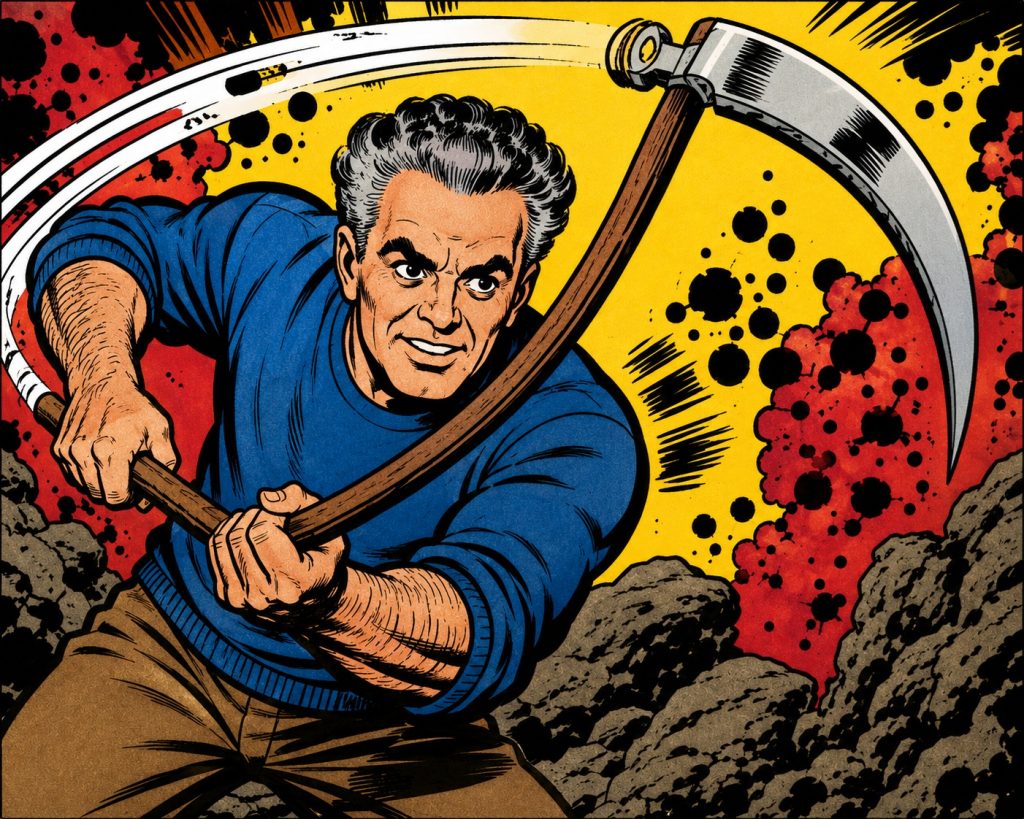
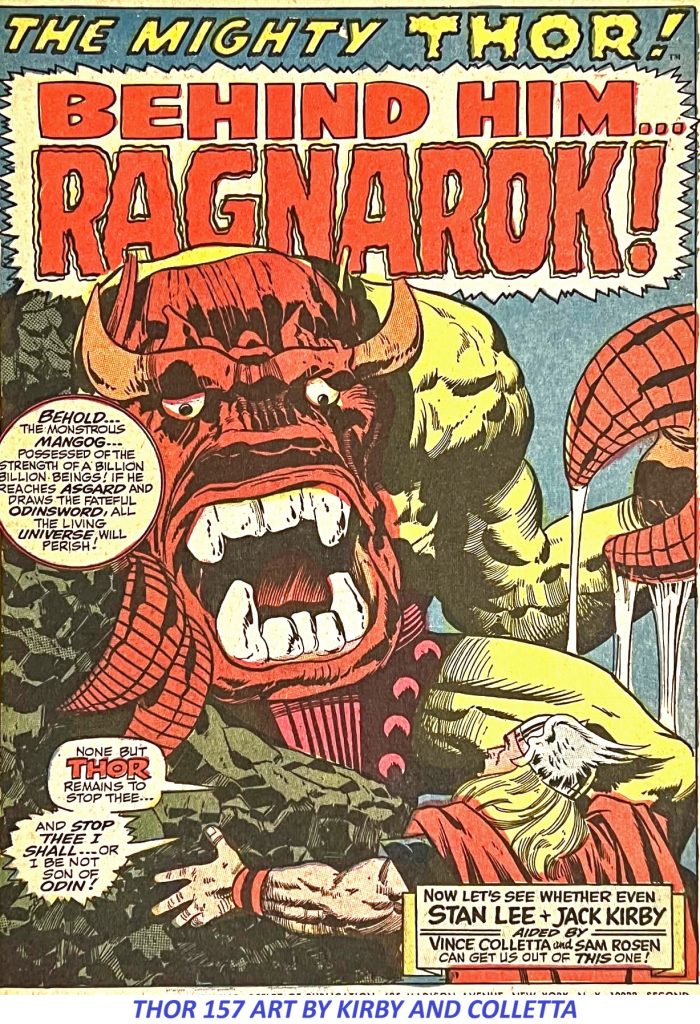
I often ask myself questions that ultimately prove to have no answer. For instance, even acknowledging that tastes vary, how is it possible to look at a Jack Kirby–Vince Colletta THOR splash page like this and disparage it?

Jack Kirby and Vince Colletta THOR splash page

There will probably never be a definitive answer to that question because the debate over Vince Colletta’s inking of Jack Kirby on THOR has been going on for decades.

Some Kirby fans prefer Kirby’s pencils without Colletta’s interpretation. Others believe that Colletta’s delicate lines, textures and unusual approach gave Kirby’s Asgard exactly the atmosphere it needed.

I am firmly in the second camp.

The Great Kirby-Colletta THOR Debate

A recent discussion in a Marvel Splash Page Facebook group brought the old argument back to life.

Steven Pavia:
“Too bad Vinnie inked those early Thor’s…I would have loved to see what Joe S. could’ve done.”

That’s a perfectly legitimate artistic opinion.

But then came a response that gets much closer to the reason I believe the Kirby-Colletta THOR pages work so extraordinarily well.

Michael T. Gaffey:
“Colletta gave Kirby’s depictions of Thor’s Asgard a gritty, earthy feel – a dimension of frightening creatures and savage combat. He was perfect for the title. Sinnott would have made everything shiny and bright. He was better suited for FF with its gleaming machines.”

Exactly.

That is the distinction.

The question isn’t simply whether another inker could have produced beautiful artwork over Kirby’s pencils.

Of course one could.

The question is whether another inker would have produced this particular THOR.

Jack Kirby Created the World. Vince Colletta Helped Define Its Atmosphere.

Jack Kirby’s contribution to THOR is beyond dispute. Marvel’s own issue records credit Kirby as penciler and Vince Colletta as inker on numerous issues during the classic period.

But comic-book art is a collaboration.

Kirby’s pencils supplied the architecture: the monumental figures, impossible machinery, wild anatomy, explosive action and extraordinary compositions.

The inker had to interpret those pencils for reproduction.

And Colletta brought something very different to the job.

His lines could be delicate.

They could be almost illustrative.

He could use fine detail, texture and cross-hatching to give figures and environments an old-world quality.

That quality was particularly appropriate for Asgard.

The result was not merely a superhero comic dressed up with Norse mythology.

It felt like another world.

Why Colletta’s Style Worked on Asgard

One of the most interesting things about the Kirby-Colletta collaboration is the contrast between Kirby’s monumental designs and Colletta’s more delicate rendering.

Kirby could make Thor look enormous.

Colletta could make him look ancient.

Kirby could create a monstrous creature.

Colletta could make that creature feel mythological.

Kirby could design a spectacular Asgardian landscape.

Colletta could give it the atmosphere of something that might have appeared in an old illustrated legend.

That combination is what makes the best Kirby-Colletta THOR pages so distinctive.

The Vince Colletta Archive has discussed the distinctive quality of Colletta’s work on THOR and Tales of Asgard.

And that’s the point that gets lost when the discussion is reduced to whether Colletta was a “good” or “bad” inker.

He was different.

And sometimes different is exactly what a particular character or world requires.

Joe Sinnott Would Have Been Beautiful — But Would It Have Been the Same THOR?

This is where the criticism becomes interesting.

Joe Sinnott was an exceptional inker.

There is no argument there.

But imagine the classic Kirby THOR pages inked in the highly polished, clean and luminous style associated with Sinnott.

Would they have been beautiful?

Absolutely.

Would they have been the same?

I don’t think so.

The Fantastic Four provides a useful comparison.

Sinnott’s polished approach was perfectly suited to the technological, sophisticated world of the Fantastic Four — the gleaming machinery, clean surfaces and futuristic environments that were such an important part of that series.

Asgard required something else.

It needed age.

It needed texture.

It needed mythology.

It needed a world that could feel simultaneously magnificent and dangerous.

And Colletta’s line could provide that.

The “Gritty, Earthy” Quality of Kirby-Colletta THOR

That’s why I keep coming back to Michael T. Gaffey’s description of Colletta’s Asgard as having a “gritty, earthy feel.”

It’s an excellent observation.

Look closely at the best Kirby-Colletta pages.

The gods aren’t merely superheroes.

They look like warriors from an ancient civilization.

The creatures aren’t simply monsters.

They look savage.

The architecture isn’t merely background decoration.

It feels old.

The combat isn’t clean.

It feels brutal.

There is a physicality to the figures that can be easy to overlook when the conversation becomes consumed by the question of whether Colletta “simplified” Kirby’s pencils.

Some critics understandably prefer the detail and energy visible in Kirby’s pencils.

But the finished comic-book page is not the pencil page.

It is the result of a production process involving pencils, inks, lettering, coloring, printing and reproduction.

And Colletta’s contribution became part of the visual identity of classic THOR.

Colletta’s THOR Wasn’t an Accident

This wasn’t simply a random pairing of an inker and a penciler.

The collaboration developed during an important period in the evolution of Thor and Asgard.

The Tales of Asgard stories were particularly important to that development.

Marvel’s issue credits demonstrate how substantial Colletta’s contribution became. He was not simply an occasional visitor to the title. He was the credited inker on a substantial run of Kirby’s THOR work.

That matters.

Because whatever one’s personal preference may be,

Kirby and Colletta created a recognizable visual language together.

You Don’t Have to Prefer Colletta

There is no requirement that everyone like Vince Colletta’s inks.

If someone prefers Jack Kirby inked by Joe Sinnott, Mike Royer, Chic Stone or Kirby himself, that’s a perfectly reasonable artistic preference.

Art isn’t a mathematical equation.

But I do think it is worth looking at the work on its own terms.

Instead of asking:

“Why didn’t Colletta ink Kirby the way I wanted Kirby to look?”

perhaps the more interesting question is:

“What did Colletta bring to Kirby’s THOR that another inker might not have brought?”

The answer is atmosphere.

He brought texture.

He brought an old-world quality.

He brought a certain delicacy to some extraordinarily powerful figures.

And, perhaps most importantly, he helped make Asgard feel like Asgard.

The Kirby-Colletta THOR Legacy

The continuing argument over Vince Colletta’s THOR inks is actually evidence of how memorable the work became.

Nobody spends decades arguing about artwork that made no impression.

The Kirby-Colletta pages remain recognizable because the collaboration produced something visually distinctive.

For me, the answer is visible on the page.

Look again at that splash.

Look at the figures.

Look at the textures.

Look at the creatures.

Look at the atmosphere.

Look at the sheer physical presence of the characters.

Then ask yourself the original question:


How is it possible to look at this Kirby-Colletta THOR and say that Vince Colletta ruined it?

I still don’t have an answer.

And maybe that’s okay.

Some arguments are worth having precisely because the artwork is good enough to keep the argument alive.

For more articles about Vince Colletta, Jack Kirby, THOR, Tales of Asgard and Colletta’s work in comic-book history, explore the other articles and artwork at VINCECOLLETTA.COM


More articles about Vince Colletta, Jack Kirby and comic book art


According to Tom Lammers

Waaaay back when the internet began allowing folks to voice their opinions far and wide, comic book fans were among those who chimed in on their likes and dislikes. With regard to Vince Colletta, those who preferred generic comic book art – thick lines and graphic stylings – had issues with the fine-line, illustrative work that this artist-turned-inker used to tell stories. The early Daredevils and even the highly-regarded Tales of Asgard garnered criticisms from some corners. From other corners, however, recognition of Mr. Colletta’s superb, detailed work also showed up. I have fond memories of those aficionados who offered praise for Vinnie’s particular techniques; Doc Vassallo, Lyle S. Tucker, Mike DeStasio, Kris Brownlow AND Tom Lammers.

Tom Lammers
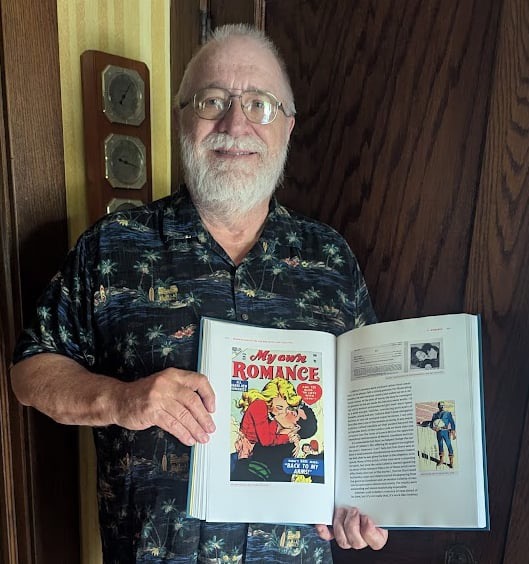
Tom Lammers with his copy of Drawn to Beauty

Tom and I have communicated regularly over the years, albeit, rarely about comic books or comic book art. Mostly, Mr. and Mrs. (Diane) Lammers have regaled their friends with stories and photos of exploits in the worlds of botany, travel, casino life and their mouth-watering dining experiences. I once wrote to him in response to one of his posts that I wished to come back in the next life as Tom Lammers. So it was a complete surprise to receive a private message from Tom that read as follows:

Frankie, I just finished reading your book about your dad (DRAWN TO BEAUTY) and let me just say I am utterly gobsmacked!  What an exceptional piece of work it is!  It is perfectly structured, from start to finish; a very logical sequence of topics.  Your writing style is exactly what is needed — engaging, clear, concise, flowing smoothly, telling the story perfectly.  Not only that, your publisher did and exceptional job of layout and production.  There is no claustrophobia to the pages, the type and illos are crystal clear, and the whole thing just screams Quality!

I’ve read most all of the comic artist bios to come out in the last three decades and your book is right at the top among the best of them.   A real pleasure to read, and super informative!  You can be very proud of it! 

Drawn to Beauty is available from Amazon and Barnes & Noble Books

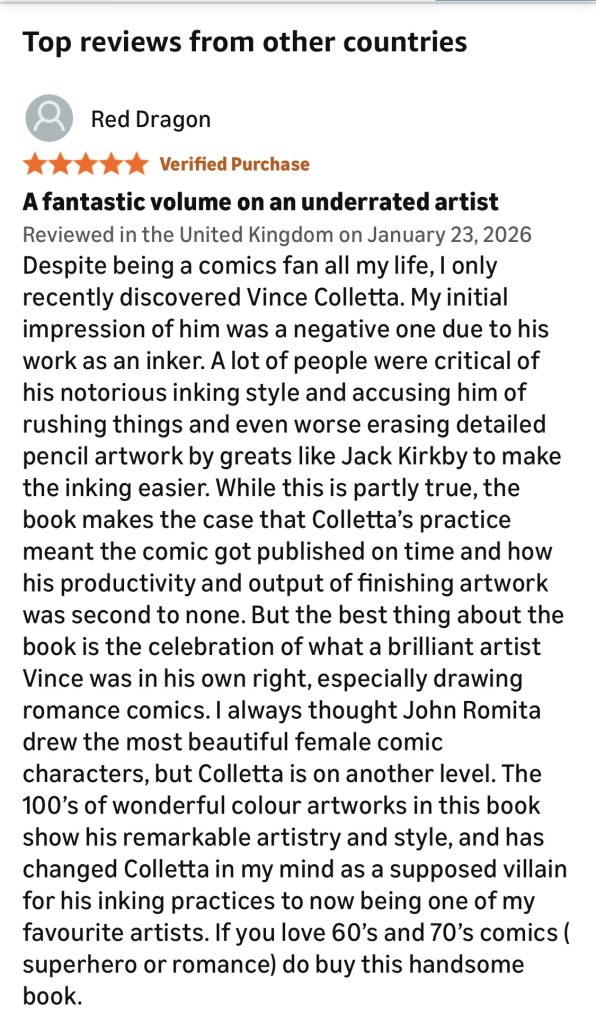
It looks like Tom hasn’t abandoned the comic book world after all! Thank you, my friend, for your kind words, the Amazon Book review and your continuing support of our mutual pal, Vince Colletta, who is most assuredly smiling upon you from high above.

Index of articles www.vincecolletta.com

Examining Vince Colletta’s Legacy | Vince Colletta.com

Vince Colletta remains one of the most debated artists in American comic book history — not despite his prolific output, but because of it. Across four decades at Marvel and DC, Colletta penciled and inked thousands of pages, working over some of the medium’s most important pencillers, including Jack Kirby. His name resurfaces constantly in comic-art circles because his influence is larger, and more complicated, than his reputation sometimes suggests.

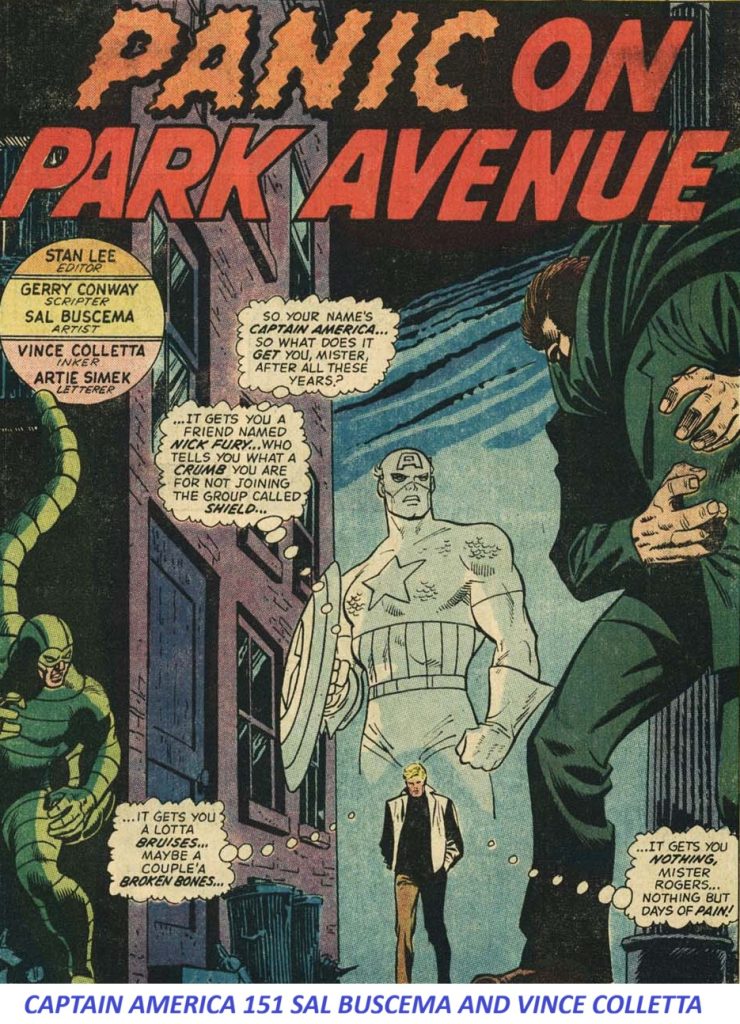
Captain America #151 page inked by Vince Colletta over pencils by John Buscema

Why Vince Colletta’s Name Still Comes Up

During the Silver and Bronze Ages of comics, publishing was a relentless machine driven by strict monthly deadlines and narrow profit margins. In that high-pressure environment, editors often valued speed and reliability as much as artistic flourish. Colletta excelled at keeping the production line moving, and that single fact explains much of why he remains a fixture of comic history discussions today.

Five Reasons Colletta Remains a Central Figure in Comic History

  • He was extraordinarily prolific. Colletta inked an enormous number of comics, particularly during Marvel’s 1960s–70s period. His work is encountered constantly by collectors, historians, and working artists studying the era.
  • He worked over some of the most important pencillers in comics. His collaborations with Jack Kirby are especially significant. Colletta’s inks on Thor, Fantastic Four, The Avengers, and other Kirby material became part of the visual history of Marvel Comics.
  • His style was distinctive. Colletta had a recognizable approach built on elegant, economical linework with a decorative quality. He could make Kirby’s powerful, densely constructed figures look cleaner and more polished — but that same tendency could also change the character of Kirby’s original pencils.
  • Artists still debate whether he helped or hurt Kirby’s work. This is likely the single biggest reason his name keeps resurfacing. Some artists admire his ability to meet deadlines and produce attractive finished pages. Others argue his shortcuts, particularly simplified backgrounds and details, diminished Kirby’s pencils. The debate has lasted for decades and shows no sign of resolving.
  • He represents a pivotal period in the evolution of comic-book inking. Colletta’s career raises a larger artistic question that historians still wrestle with: does an inker simply finish the penciller’s drawing, or act as a co-artist interpreting it? Colletta is a compelling case study because his personality and artistic choices are so visible in the finished work.

Why Original Art Collectors Pay Close Attention to Colletta

Original-art collectors have a particular interest in Colletta’s output. His romance work was second to none. Kirby pencils inked by Colletta can be especially revealing, since surviving original pages sometimes let collectors and scholars compare the underlying pencils directly against the published, inked version. That side-by-side comparison is one of the clearest windows historians have into how much an inker can reshape a penciller’s intent.

Paradoxically, Colletta remains discussed partly because people disagree about him. Had he simply been an anonymous, competent inker, he likely wouldn’t generate nearly as much conversation. His work sits at the intersection of Kirby’s genius, Marvel’s production demands, and the ongoing question of how much creative authorship belongs to an inker.

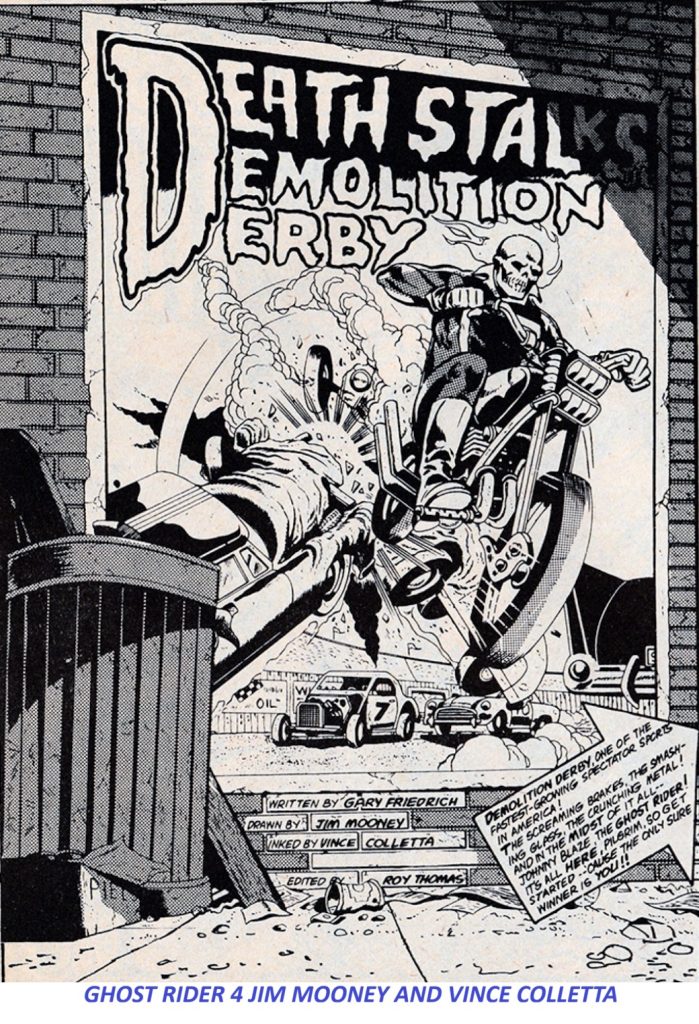
Ghost Rider #4 page inked by Vince Colletta over pencils by Jim Mooney

The Business Case: Deadlines, Page Rates, and Survival

Colletta was also very successful commercially. Whatever critics thought of his artistic choices, editors repeatedly hired him because he was fast, reliable, and capable of producing a tremendous volume of finished pages on schedule. That makes him an important figure not just artistically, but in understanding how the comic-book business actually operated.

The Critique

Modern fans and art purists often criticize Colletta for erasing background details, simplifying intricate pencils, or skipping minor characters entirely to save time. This critique forms the core of the decades-long debate over his legacy.

Lane Howell: I don’t care what Anybody says, Vince Colletta was a Marvelous Inking Collaborator with Kirby on The Mighty Thor…! Take Note: I was/am a huge Kirby Fan from when I was a young kid back in the Swingin’ ’60s. In fact, Artistically I was a Kirby Clone for alot of years, until later, to a large extent Barry Windsor Smith showed me how to Evolve out of that caricature. As Much Love and Respect as I have maintained for Jack “King” Kirby through the years, I have to confess I can Only Take So Much of his ’70s work, Especially the Mike Royer inks (which, yes, Royer was indeed supremely Faithful to Jack’s Pencils,) but OMG, the Blacks Were/Are So Absurdly HEAVY-HANDED…! Just, So Over-the-Top HEAVY, as to be a bit Overwhelming and Suffocating..! It leaves me almost gasping for Air..! And, that’s precisely how I would describe the Kirby/Colletta Heyday Era on the Thor book, “Light and Airy, it gave the stories an Irresistible, Sweeping Majesty and Visual Grandeur , and Appropriately Mythical Depth and Scope..! Put another way, I F’ing Love that stuff… ! I, for one, am So Glad Stan made that call of what became a more-or-less permanent Inker Assignment… So, Verily I say unto thee, “Thank You, Stan, Jack and Vince (and Artie & Sam & S Goldberg)

The Business Reality

Without Colletta’s rapid turnaround time, Marvel likely would have missed printing deadlines on flagship titles. Missing a press run meant severe financial penalties and lost rack space at newsstands — consequences that could seriously damage a publisher in the 1960s and ’70s magazine distribution system.

Frequently Asked Questions About Vince Colletta

Was Vince Colletta a good inker?

Opinion is genuinely split. Colletta’s admirers point to his reliability, deadline discipline, and elegant, economical line work. His critics argue that his habit of simplifying backgrounds and dropping fine detail undercut the pencillers he worked over.  Both views are well documented in comics scholarship, and neither has fully won out.

Why did Jack Kirby’s inkers matter so much?

Kirby’s pencils were dense, dynamic, and packed with detail, which meant the inker had enormous influence over how the finished page actually looked to readers. Because Colletta inked so much Kirby material for Marvel, his choices — for better or worse — became part of how an entire generation experienced Kirby’s storytelling.

What can collectors learn from comparing Colletta’s inked pages to the original pencils?

When original penciled pages survive, they let collectors and historians see exactly what an inker added, removed, or simplified. In Colletta’s case, these comparisons are central to the ongoing critical debate about his impact on Kirby’s work.

Why Colletta’s Legacy Still Matters

By focusing on the operational realities of the comic book industry — deadlines, page rates, and high-volume production — Colletta emerges as an essential case study. He demonstrates that comic books were never merely an art form; they were a commercial enterprise in which efficiency was a survival skill. Understanding Colletta means understanding both sides of that equation: the artistic controversy and the business machine that made his career possible.

Index of articles www.vincecolletta.com

Did Jack Kirby Fire Vince Colletta?

Jack Kirby did not fire Vince Colletta, nor did he possess the editorial corporate power at DC Comics to terminate another creator’s freelance contract.

The narrative that Kirby unilaterally “fired” Colletta from the Fourth World books (The New GodsForever PeopleMister Miracle) is an oversimplified industry myth that overlooks the actual mechanics of 1970s comic book publishing and the real conversation that took place between the two men.

Mark Evanier: “I guess I didn’t make it clear: Kirby, as editor of his DC books, fired Colletta as the inker.”

Did Jack Kirby fire Vince Colletta?
Jack Kirby

The True Nature of Their Parting

The transition of inking duties from Vince Colletta to Mike Royer in 1971 was a mutual parting of ways dictated by impossible logistics, industry deadlines, and a direct, professional conversation between Kirby and Colletta:

  • The Deadlines and Overwork: DC Comics was pushing immense production demands on both creators. Colletta was notoriously the most prolific “deadline saver” in New York, frequently taking on late, rushed assignments from multiple publishers just to keep books on schedule.
  • The Conversation: Because of the sheer volume of rushed work corporate publishers were throwing at him, Colletta directly communicated to Kirby that he simply could not promise to faithfully render every single intricate, time-consuming detail, technological background, and “Kirby Krackle” that Jack poured into his pencils.
  • The Mutual Resolution: Realizing that Colletta’s hyper-fast, simplified approach was a mismatch for the grand, detailed scope of the cosmic Fourth World mythology, the two agreed it was best to part ways on those titles. Kirby then requested DC assign Mike Royer, whose meticulous, literal translation of pencils better suited the specific aesthetic Kirby wanted for his new universe.

Corporate Structure and Editorial Power

The idea of Kirby “firing” people misrepresents his role at DC at the time. While Kirby was given writer/editor credit on his specific titles, the actual hiring, firing, and payroll authority rested strictly with upper management, specifically Editorial Director Carmine Infantino and production executives. DC management actively favored Colletta because his speed kept books on track and his lower pay rates kept titles under budget. Kirby had to advocate strongly to management just to get his inkers changed.

This accurate context surrounding their conversation correctly frames two legendary creators navigating the high-pressure, under-the-gun realities of Silver and Bronze Age comic publishing rather than a bitter professional feud.

Index of articles www.vincecolletta.com

Drawn to Beauty: The Life and Art of Vince Colletta

A Biography of Inker Vince Colletta

Apollo Magazine (archive link) spoke about a new biography for the late inker Vince Colletta:

Drawn to Beauty: The Life and Art of Vince Colletta

While comic books were traditionally dismissed as a debased form of entertainment for American and Japanese adolescent boys (as well as the sources for a multi-billion-dollar film empire), a new book shows how they come with their own traditions and virtuosos. Drawn to Beauty: The Life and Art of Vince Colletta (Black Spring Press) explores the work of an illustrator best known for his work ‘inking’ Jack Kirby’s drawings in Marvel’s Thor and Fantastic Four comics. Colletta (1923–91) is regarded as one of the finest inkers – the artists who translate the sketches into the image that is printed on the page. He was renowned for his delicacy and for giving the final shape to some of Marvel’s most popular characters, before leaving to eventually become the art director of rival company DC. But it’s what he did in between the two roles that might have become most influential.

Kirby may be one famous figure who’s never gotten enough wide recognition, but Colletta’s another who could use some more too. So it’s great to know he’s also received a biography of his work, long after he passed away. And there’s plenty more figures from better eras who could use some biographies too, and hopefully will see them in time.

Index of articles www.vincecolletta.com

IS VINCE COLLETTA A LEGENDARY FIGURE?

Vince Colletta art

Vince Colletta was a colorful and controversial figure in the world of comic books, particularly known for his romance work and as an inker during the Silver and Bronze Ages of comics. Whether he was legendary depends on whom you ask—but his name definitely left a mark in the industry, both positively and negatively.

Why Some Consider Him Legendary:

  • Prolific Output: Colletta was one of the most prolific inkers in Marvel and DC history. He worked on major titles like Thor, Fantastic Four, The Avengers, Romance comics, and Wonder Woman.
  • Long Career: His career spanned decades, from the 1950s through the 1980s and beyond.
  • Influence: He inked Jack Kirby, one of the most influential comic artists of all time, including Kirby’s Thor and Fourth World runs.
  • DC Editor: He eventually became an editor at DC Comics, which further showed the degree of trust and responsibility placed on him within the industry.

Why He Was Controversial:

  • Erasing Kirby’s Detail: Colletta is often criticized—especially by Kirby fans—for allegedly simplifying or erasing intricate background details in Kirby’s pencils to speed up the inking process and meet deadlines.
  • “Hack” Reputation: Some creators and fans viewed him as a “hack” due to rushed or inconsistent quality in his work. Others defended him for being a reliable professional who could meet tight schedules when others couldn’t.
  • Work Ethic vs. Art Integrity: His defenders argue that he helped get books out on time when others couldn’t, which was crucial in the high-pressure, low-pay world of comics in the ‘60s and ‘70s.

The Bottom Line:

  • Vince Colletta was colorful, divisive, and certainly memorable.
  • Whether he’s “legendary” depends on your viewpoint—some consider him a necessary workhorse who helped shape key Marvel/DC runs, while others lament what they see as damage done to classic pencil work.

But either way, he’s an essential figure in comic book history whose name still sparks debate today.

From his boyhood in Sicily, growing up in a mafia family to his success in the publishing field, stories of his exploits in Manhattan and friendships with models actors, and publishing executives made him a larger than life figure.

That description paints Vince Colletta as a truly larger-than-life character—and there’s certainly a mystique around him that has fueled both admiration and controversy.

While much of the public record focuses on his comics career, there have long been rumors and whispers in industry circles that hint at a far more colorful personal life than what’s documented. Let’s unpack that a bit, based on what’s known, speculated, and part of his lore:

🌋

Origins & Rumored Mafia Ties

  • Vince Colletta was born in Sicily in 1923 and immigrated to the U.S. as a child.
  • There are longstanding stories (mostly informal or anecdotal) that he came from a family with connections to the Mafia, or at least moved in those social circles.
  • These stories often describe him as someone with a commanding presence, who carried himself with old-world charm and a touch of danger—a man who “knew people.”

Important note: These claims have been confirmed in his official biography, DRAWN TO BEAUTY and they’ve become part of the “Colletta legend.”

🗽

New York: Models, Mad Men, and Manhattan Nights

  • In mid-20th-century Manhattan, Colletta was known not just for his comic book work but for being deeply embedded in the social scene.
  • He had connections in the fashion world, and stories circulate of him dating or being friends with models and showgirls—not uncommon for a Manhattan creative in those days.
  • He was known to dress sharply, party well, and maintain friendships with people in advertising, publishing, and even film—hobnobbing with both the elite and the eccentric.

📚

Publishing Power Player

  • While best known as an inker, Colletta also took on editorial roles, especially at DC Comics, where he was the art director.
  • Some insiders say he had a way of getting things done that made him indispensable, even when he ruffled feathers.
  • Despite the criticism of his artistic shortcuts, his influence behind the scenes was significant—he reportedly could make or break careers, and he wielded that power with a mix of charm and toughness.

⚖️

Legacy of Contradictions

  • Friend and foe: Some colleagues saw him as a loyal, dependable friend; others considered him abrasive or ruthless.
  • Romanticized vs. Real: The gap between who Vince Colletta actually was and who people say he was makes him something of a mythic figure in comics history.

In Summary:

Vince Colletta was a colorful and legendary figure, not just because of his work, but because of the larger-than-life persona he cultivated (or that others projected onto him). From whispers of Sicilian mob roots to his Manhattan nightlife and his controversial but prolific career, he’s remembered not just as a man—but as a story in himself.

Before turning to superheroes, Vince Colletta was Marvel’s most prominent romance artist—especially during the 1950s and early 1960s, when Marvel was still known as Atlas Comics.

🖌️

 Colletta’s Romance Comics Era

  • Prolific Output: Colletta was a go-to artist for Marvel/Atlas’s romance line. He penciled and inked hundreds of stories, often working on multiple titles each month.
  • Key Titles: He contributed heavily to titles like:
    • Love Romances
    • My Own Romance
    • Girls’ Love Stories
    • Young Romance (and its DC counterpart later on)
  • Signature Style: His art was noted for its elegant figures, clean lines, and a kind of moody, stylish glamour that fit perfectly with the soap opera tone of the romance genre. He made the characters look like mid-century fashion illustrations—beautiful, dramatic, and expressive.

💄

Why He Stood Out:

  • While other artists like John Romita Sr. also worked in romance, Colletta was especially prolific and shaped the visual tone of Marvel’s romance output more than anyone else.
  • Editors trusted him to deliver fast and polished pages, which was crucial during a time when Atlas operated on a factory-like schedule.

➡️

Transition to Superheroes:

  • When the superhero boom took off in the early 1960s, Colletta shifted roles from penciling to almost exclusively inking.
  • His big break in this realm was inking Jack Kirby’s “Thor”, where he became one of the most controversial but enduring inkers of the Silver Age.

His prolific output, polished style, and ability to evoke drama made him a cornerstone of the genre—before he ever touched a cape or a cosmic hammer.

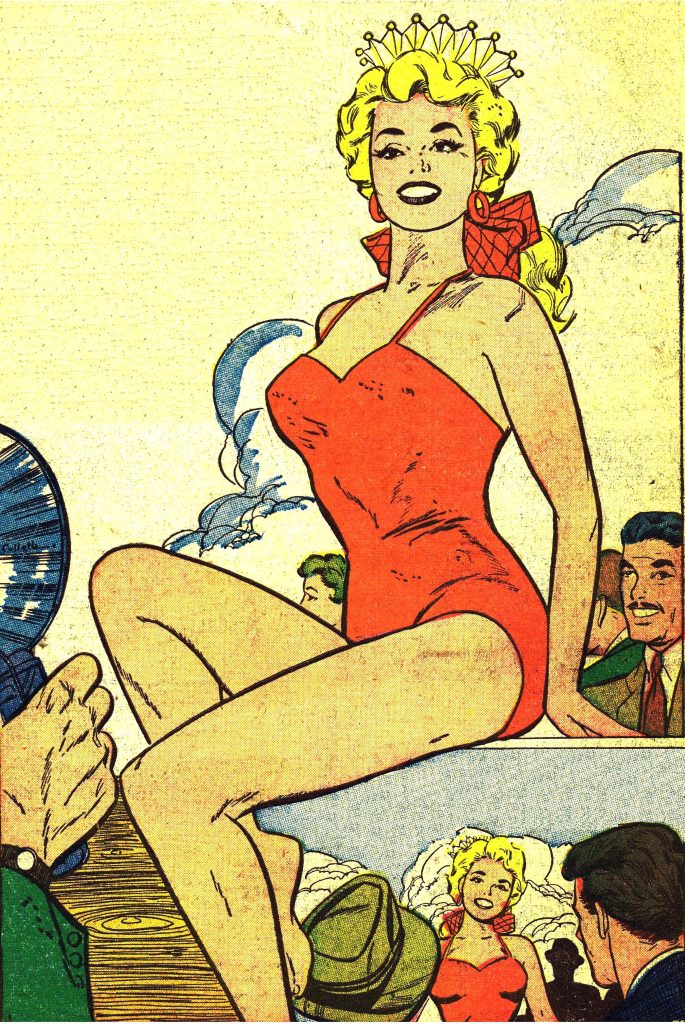
Vince Colletta drew some of the most beautiful women in comics, especially during the 1950s and early ’60s romance era.

💋

Colletta’s Women: Glamorous, Stylish, and Idealized

  • Colletta had a knack for drawing women who looked like they stepped out of a mid-century fashion magazine—elegant, alluring, and emotionally expressive.
  • His female characters often had:
    • High cheekbones
    • Flowing hair and dramatic poses
    • Stylish clothing and soft, romantic features

This aesthetic was perfect for romance comics, where beauty, heartbreak, and drama were the main selling points.

🖌️

Compared to His Peers

  • Artists like Matt Baker (widely considered the king of “good girl” art) or John Romita Sr. (who also did stunning romance work before becoming the definitive Spider-Man artist) are often mentioned in the same conversation.
  • But Colletta stood out for producing enormous quantities of beautifully drawn women—he was arguably the most prolific romance artist Marvel/Atlas had.

🦸‍♀️

Even in Superhero Comics

Even after shifting to inking superhero books, his rendering of female characters often retained that glamour and softness. His version of Jane Foster in Thor or various goddesses in Asgard still carried that romance-comic DNA.

📣

What Others Have Said

  • Artists like Joe Sinnott and Romita Sr. have commented on Colletta’s strengths with women and romantic drama.
  • Fans of classic romance comics frequently cite his work as among the most visually appealing and emotionally resonant.

In Summary:

Vince Colletta is remembered by many as one of the artists who drew the most beautiful women in comics, especially during the golden age of romance comics. His idealized, fashion-forward, emotionally expressive women helped define an entire era—and that legacy still holds up in retrospect.

Index of articles www.vincecolletta.com