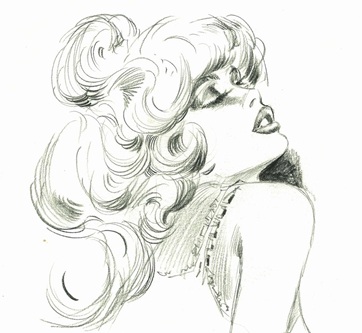
Vince Colletta remains one of the most debated artists in American comic book history — not despite his prolific output, but because of it. Across four decades at Marvel and DC, Colletta penciled and inked thousands of pages, working over some of the medium’s most important pencillers, including Jack Kirby. His name resurfaces constantly in comic-art circles because his influence is larger, and more complicated, than his reputation sometimes suggests.
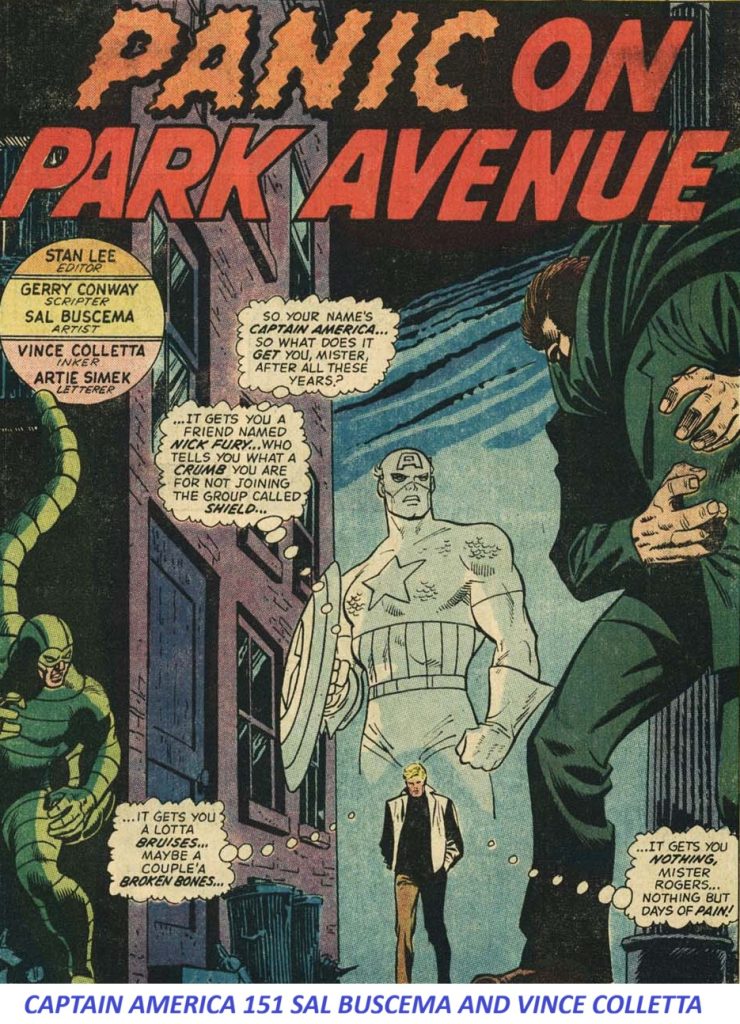
Why Vince Colletta’s Name Still Comes Up
During the Silver and Bronze Ages of comics, publishing was a relentless machine driven by strict monthly deadlines and narrow profit margins. In that high-pressure environment, editors often valued speed and reliability as much as artistic flourish. Colletta excelled at keeping the production line moving, and that single fact explains much of why he remains a fixture of comic history discussions today.
Five Reasons Colletta Remains a Central Figure in Comic History
- He was extraordinarily prolific. Colletta inked an enormous number of comics, particularly during Marvel’s 1960s–70s period. His work is encountered constantly by collectors, historians, and working artists studying the era.
- He worked over some of the most important pencillers in comics. His collaborations with Jack Kirby are especially significant. Colletta’s inks on Thor, Fantastic Four, The Avengers, and other Kirby material became part of the visual history of Marvel Comics.
- His style was distinctive. Colletta had a recognizable approach built on elegant, economical linework with a decorative quality. He could make Kirby’s powerful, densely constructed figures look cleaner and more polished — but that same tendency could also change the character of Kirby’s original pencils.
- Artists still debate whether he helped or hurt Kirby’s work. This is likely the single biggest reason his name keeps resurfacing. Some artists admire his ability to meet deadlines and produce attractive finished pages. Others argue his shortcuts, particularly simplified backgrounds and details, diminished Kirby’s pencils. The debate has lasted for decades and shows no sign of resolving.
- He represents a pivotal period in the evolution of comic-book inking. Colletta’s career raises a larger artistic question that historians still wrestle with: does an inker simply finish the penciller’s drawing, or act as a co-artist interpreting it? Colletta is a compelling case study because his personality and artistic choices are so visible in the finished work.
Why Original Art Collectors Pay Close Attention to Colletta
Original-art collectors have a particular interest in Colletta’s output. His romance work was second to none. Kirby pencils inked by Colletta can be especially revealing, since surviving original pages sometimes let collectors and scholars compare the underlying pencils directly against the published, inked version. That side-by-side comparison is one of the clearest windows historians have into how much an inker can reshape a penciller’s intent.
Paradoxically, Colletta remains discussed partly because people disagree about him. Had he simply been an anonymous, competent inker, he likely wouldn’t generate nearly as much conversation. His work sits at the intersection of Kirby’s genius, Marvel’s production demands, and the ongoing question of how much creative authorship belongs to an inker.
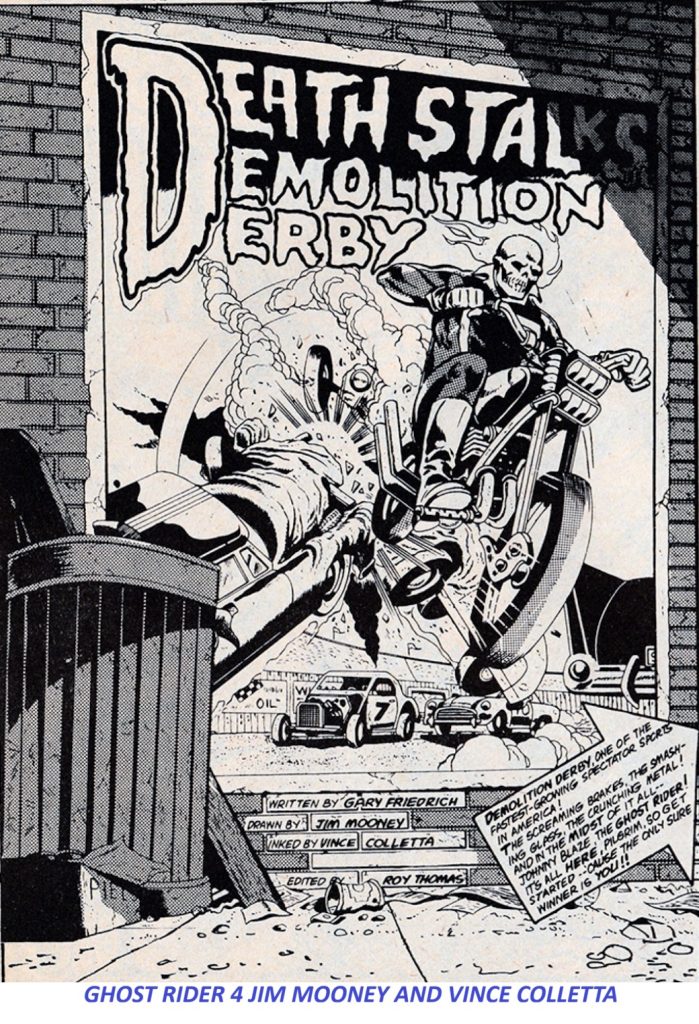
The Business Case: Deadlines, Page Rates, and Survival
Colletta was also very successful commercially. Whatever critics thought of his artistic choices, editors repeatedly hired him because he was fast, reliable, and capable of producing a tremendous volume of finished pages on schedule. That makes him an important figure not just artistically, but in understanding how the comic-book business actually operated.
The Critique
Modern fans and art purists often criticize Colletta for erasing background details, simplifying intricate pencils, or skipping minor characters entirely to save time. This critique forms the core of the decades-long debate over his legacy.
Lane Howell: I don’t care what Anybody says, Vince Colletta was a Marvelous Inking Collaborator with Kirby on The Mighty Thor…! Take Note: I was/am a huge Kirby Fan from when I was a young kid back in the Swingin’ ’60s. In fact, Artistically I was a Kirby Clone for alot of years, until later, to a large extent Barry Windsor Smith showed me how to Evolve out of that caricature. As Much Love and Respect as I have maintained for Jack “King” Kirby through the years, I have to confess I can Only Take So Much of his ’70s work, Especially the Mike Royer inks (which, yes, Royer was indeed supremely Faithful to Jack’s Pencils,) but OMG, the Blacks Were/Are So Absurdly HEAVY-HANDED…! Just, So Over-the-Top HEAVY, as to be a bit Overwhelming and Suffocating..! It leaves me almost gasping for Air..! And, that’s precisely how I would describe the Kirby/Colletta Heyday Era on the Thor book, “Light and Airy, it gave the stories an Irresistible, Sweeping Majesty and Visual Grandeur , and Appropriately Mythical Depth and Scope..! Put another way, I F’ing Love that stuff… ! I, for one, am So Glad Stan made that call of what became a more-or-less permanent Inker Assignment… So, Verily I say unto thee, “Thank You, Stan, Jack and Vince (and Artie & Sam & S Goldberg)
The Business Reality
Without Colletta’s rapid turnaround time, Marvel likely would have missed printing deadlines on flagship titles. Missing a press run meant severe financial penalties and lost rack space at newsstands — consequences that could seriously damage a publisher in the 1960s and ’70s magazine distribution system.
Frequently Asked Questions About Vince Colletta
Was Vince Colletta a good inker?
Opinion is genuinely split. Colletta’s admirers point to his reliability, deadline discipline, and elegant, economical line work. His critics argue that his habit of simplifying backgrounds and dropping fine detail undercut the pencillers he worked over. Both views are well documented in comics scholarship, and neither has fully won out.
Why did Jack Kirby’s inkers matter so much?
Kirby’s pencils were dense, dynamic, and packed with detail, which meant the inker had enormous influence over how the finished page actually looked to readers. Because Colletta inked so much Kirby material for Marvel, his choices — for better or worse — became part of how an entire generation experienced Kirby’s storytelling.
What can collectors learn from comparing Colletta’s inked pages to the original pencils?
When original penciled pages survive, they let collectors and historians see exactly what an inker added, removed, or simplified. In Colletta’s case, these comparisons are central to the ongoing critical debate about his impact on Kirby’s work.
Why Colletta’s Legacy Still Matters
By focusing on the operational realities of the comic book industry — deadlines, page rates, and high-volume production — Colletta emerges as an essential case study. He demonstrates that comic books were never merely an art form; they were a commercial enterprise in which efficiency was a survival skill. Understanding Colletta means understanding both sides of that equation: the artistic controversy and the business machine that made his career possible.
